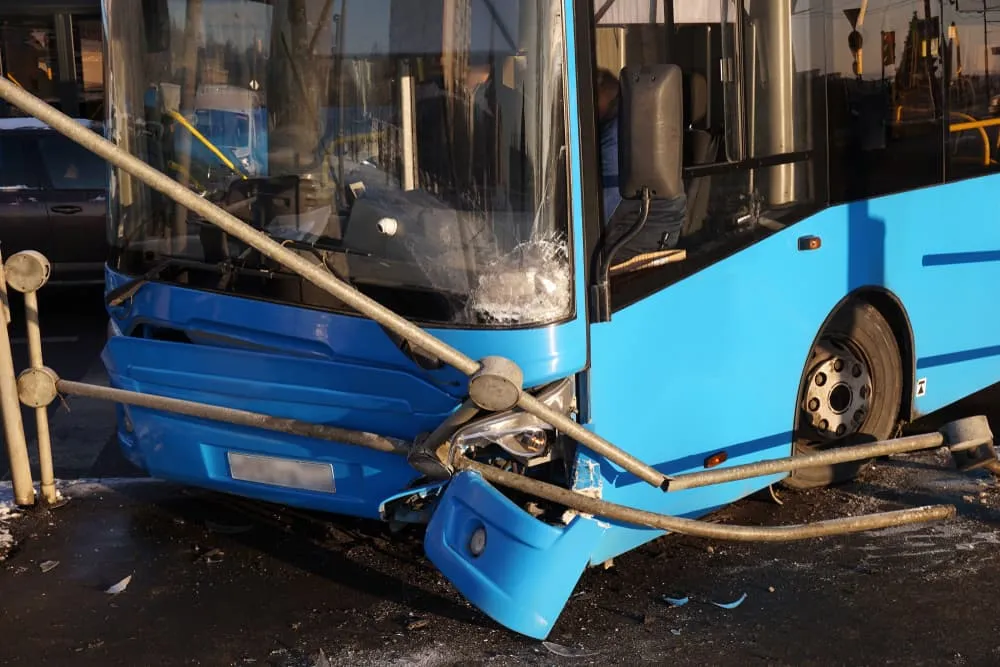
Being hit by a city bus is a traumatic experience — and the legal process that follows is more complicated than a typical car accident claim. Because city buses are operated by government entities, special rules apply to how, when, and whether you can sue.
The short answer is yes, you can sue a city in Wisconsin if a city bus caused your injuries due to negligence. But the process is time-sensitive, procedurally strict, and different enough from a standard personal injury case that having an attorney from the start is essential.
Key Takeaways:
- Suing a city after a bus accident involves special rules due to sovereign immunity; strict timelines and notification procedures must be followed.
- You can sue if the bus driver or city acted negligently, such as reckless driving, distracted driving, or poor bus maintenance.
- In Wisconsin, you must file a formal notice of claim within 120 days of the accident — missing this deadline can permanently bar your case.
- A bus accident lawyer can guide you through the claims process, protect your rights, and help maximize compensation.
- Government defenses are strong, so legal expertise is essential to navigate the process successfully.
Pemberton Personal Injury Law Firm’s Wisconsin bus accident attorneys have experience handling claims against government entities and can make sure every deadline is met and every step of the process is handled correctly.
Can You Sue a City for a Bus Accident in Wisconsin?
City buses are typically operated by municipal transit agencies — government entities. In Wisconsin, as in most states, the government is generally protected from lawsuits by a legal doctrine called sovereign immunity. However, Wisconsin law provides exceptions that allow injury victims to pursue claims when government negligence caused their harm.
Under Wisconsin Statute § 893.80, you can bring a claim against a local government entity — including a city or municipal transit authority — when a government employee’s negligence caused your injuries. This includes city bus drivers who cause accidents through reckless or careless conduct.
The key is that the bus driver or city must have been negligent — meaning they failed to meet the standard of reasonable care, and that failure caused your injuries.
What Are Common Examples of City Bus Negligence?
A city bus accident claim requires showing that the bus driver or the city failed to take proper care. Common situations that may give rise to a negligence claim include:
- Reckless or unsafe driving. A bus driver who speeds, runs red lights, or drives aggressively is failing in their duty to operate a large vehicle safely.
- Distracted driving. A driver who is inattentive while behind the wheel — eating, checking a device, or otherwise not focused on the road — may be liable if their distraction causes an accident.
- Failure to maintain the bus. Cities and transit agencies are responsible for keeping their vehicles in safe operating condition. If brake failures, tire blowouts, or other mechanical failures caused your accident and resulted from inadequate maintenance, the city may bear responsibility.
- Failure to follow mandatory safety protocols. If the transit authority was required by law to perform certain inspections or follow specific procedures and failed to do so, that breach of a ministerial duty can form the basis of a claim.
What Steps Should You Take After Being Hit by a City Bus?

The steps you take in the hours and days after a city bus accident can significantly affect your ability to recover compensation. Move quickly on all of the following:
- Seek medical attention immediately. Your health is the top priority. Even if you feel okay at the scene, get evaluated by a medical professional. Many serious injuries — including internal injuries and concussions — don’t present symptoms right away, and prompt care creates a documented record linking your injuries to the accident.
- Report the accident. Make sure the accident is reported to law enforcement and to the city’s transportation department. Official reports are critical evidence if you pursue a claim.
- Document everything. Photograph the scene, the bus, your injuries, and any relevant road conditions. Note the bus number, route, and driver information if possible. Get names and contact details of any witnesses.
- Track all expenses. Keep records of every cost tied to the accident — medical bills, prescription costs, transportation, lost income, and anything else accident-related.
- Contact a bus accident attorney as soon as possible. This is not a situation where you can afford to wait. Wisconsin’s notice of claim deadline is strict and unforgiving. Consult with a lawyer immediately to protect your rights.
What Is the Legal Process for Suing a City in Wisconsin After a Bus Accident?
Suing a government entity in Wisconsin is different from suing a private party. There are additional procedural steps you must follow before you can file a lawsuit — and missing any of them can permanently end your case.
Step 1: File a Notice of Claim Within 120 Days
Before you can file a lawsuit against a Wisconsin city or municipal entity, you must first file a formal written notice of claim under Wisconsin Statute § 893.80. This notice must be delivered to the government body within 120 days of the accident.
The notice must include specific information about the nature of your claim, how the accident occurred, and the damages you’re seeking. Missing this 120-day window can bar your claim entirely — even if you are well within the standard three-year personal injury statute of limitations.
Step 2: Wait for the City’s Response
After your claim is filed, the city has up to 120 days to respond. They may accept responsibility and offer compensation, or they may deny the claim. If the city denies your claim — or fails to respond within the required timeframe — you then have the right to file a lawsuit.
Step 3: File a Lawsuit if Necessary
If the city denies your claim, you have six months from the date of denial to file a lawsuit in court. Missing this deadline also bars your claim. Your attorney will prepare and file the complaint, present evidence of the city’s negligence, and advocate for the full compensation you’re owed.
Throughout this process, the city’s legal team will be working to limit their exposure. Having an experienced personal injury attorney by your side from the beginning is not optional — it’s essential.
What Are the Challenges of Suing a City After a Bus Accident?
Government entities have significant advantages in litigation. Sovereign immunity doctrines, strict procedural requirements, and caps on recoverable damages all work in the city’s favor.
In Wisconsin, damages against most local government entities are generally capped under § 893.80 — however, important exceptions exist for injuries caused by motor vehicle accidents, which may allow for greater recovery. Your attorney will evaluate the specific facts of your case to determine what compensation you may be entitled to and how best to pursue it.
Government entities are also experienced at defending these claims. They have legal teams whose job is to minimize payouts. This is not a situation where a DIY approach is likely to serve your interests.
Contact a Wisconsin Bus Accident Attorney at Pemberton Personal Injury Law Firm

If you or a loved one has been injured by a city bus in Wisconsin, the 120-day notice of claim deadline means you cannot afford to wait. Evidence disappears, and missing that window can eliminate your right to sue altogether.
Pemberton Personal Injury Law Firm represents bus accident victims throughout Wisconsin. Our attorneys understand the procedural requirements for claims against government entities and will make sure your case is handled correctly and aggressively from day one.
Call (608) 448-6242 or fill out our online contact form for a free, no-obligation consultation. Don’t let a procedural deadline cost you your right to compensation.