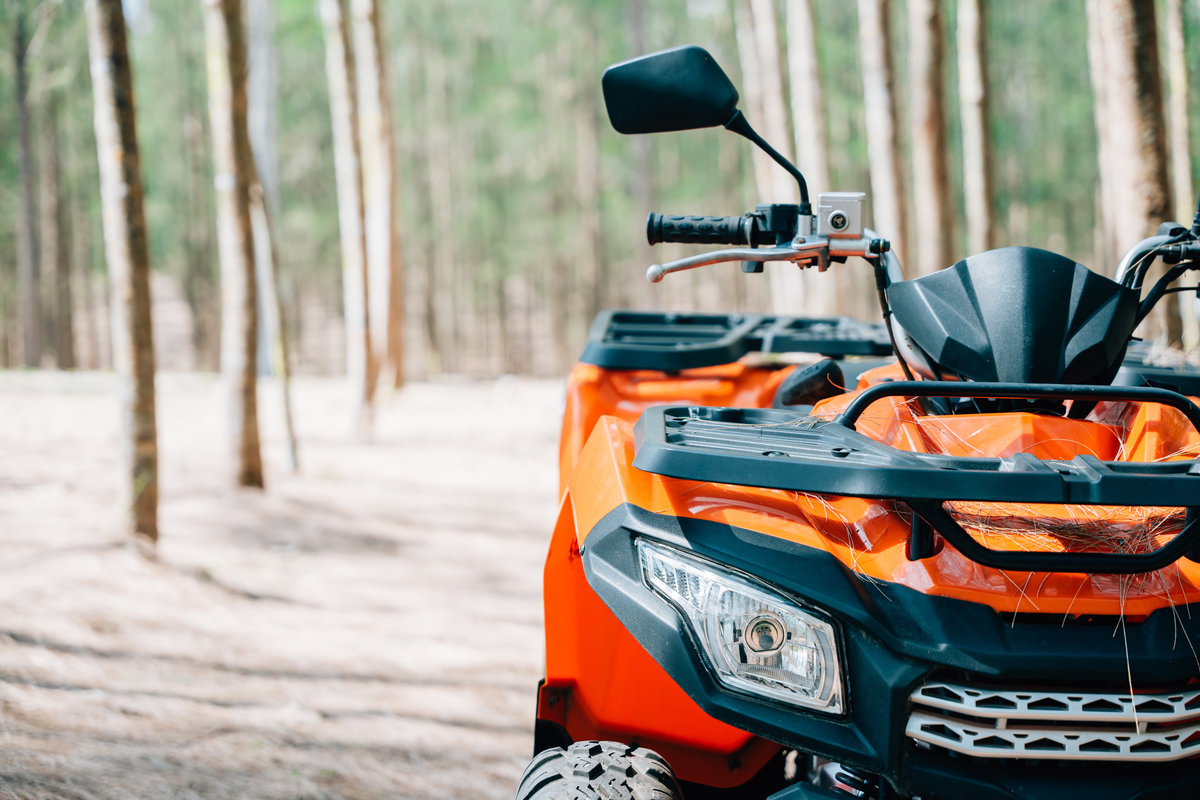
Yes, in most cases you can sue after an ATV accident in Wisconsin if someone else’s negligence played a role in what happened, whether that means a careless rider, a landowner, a driver on a nearby road, or the manufacturer of a defective ATV. Once that responsibility is established, Wisconsin law allows injured riders to pursue compensation for their losses.
ATV crashes on Wisconsin’s trails and open land can turn dangerous in an instant, leaving riders with serious injuries such as broken bones, spinal injuries, and head trauma while medical bills pile up fast. At Pemberton Personal Injury Law Firm, we help injured riders across Wisconsin, including in Madison, understand their legal rights and take action after serious accidents. We know how to build strong ATV injury claims and what it takes to stand up to insurance companies that would rather pay as little as possible.
Who Can Be Held Liable After an ATV Accident?
ATV accidents often involve more than one responsible party. The cause of the crash and the conditions surrounding it will determine who can be held accountable.
Landowners and Property Managers
Wisconsin has a recreational immunity law, Wis. Stat. § 895.52, that generally protects private landowners from liability when someone is injured while riding an ATV on their property for recreation. This law covers a lot of ground, but it is not absolute. It typically does not apply when the landowner charged money for use of the property, when the injured rider was a guest on residential property, or when the harm resulted from a malicious act rather than an ordinary hazard. Whether a landowner can be held responsible often comes down to these narrow exceptions, which is why it helps to have a case reviewed by someone familiar with how Wisconsin courts apply them.
Other Riders and Drivers
Another rider who operated recklessly, ignored trail rules, or drove while impaired can be held responsible for a resulting crash. If the accident involved a vehicle on a nearby road or street, that driver may also be named in a claim.
Recreational immunity generally applies to private landowners who let people use their land for free. It works differently for businesses that rent ATVs or run guided rides for a fee, since charging money for use of the property is one of the exceptions that can remove the immunity. If your accident happened at a commercial ATV park or through a paid rental or tour, the operator’s obligations are closer to those of any other business than to those of a private landowner.
ATV and Equipment Manufacturers
In some cases, the manufacturer of a defective ATV, replacement part, or piece of safety gear may share fault if a product failure contributed to the crash. Wisconsin recognizes product liability claims when a defect in design, manufacturing, or warnings made a product unreasonably dangerous.
Why Fault Matters in ATV Accident Claims
Wisconsin uses a modified comparative fault rule. This means that even if you share some of the blame, you may still be able to recover compensation. As long as your share of fault is no more than 51 percent, you can still pursue damages, though your award will be reduced by your percentage of fault.
What Causes Most ATV Accidents in Wisconsin?
Understanding what typically causes an ATV crash can help clarify who was actually at fault in yours. Common causes include:
- Operator inexperience, especially when a rider is unfamiliar with the vehicle’s weight and handling
- Excessive speed for the terrain, which reduces reaction time and increases the risk of a rollover
- Riding under the influence of alcohol or drugs
- Mechanical defects or poor maintenance, including worn tires or failed brakes
- Unsafe trail or property conditions, such as hidden ditches, unmarked cables, or unstable terrain
- Lack of training or safety gear, which increases the severity of injuries when a crash does happen
Identifying which of these factors played a role in your accident is often the first step toward figuring out who can be held responsible.
What Compensation Can You Recover After an ATV Accident?
Pursuing a claim means seeking compensation for the full impact the crash has had on your life, not just the immediate costs. Wisconsin law recognizes a wide range of losses, and the types of damages available will depend on the facts of your case.
Common types of compensation in ATV accident cases include:
- Medical expenses, including hospital visits, surgery, and rehabilitation
- Future medical costs and long-term care for serious or catastrophic injuries
- Lost wages if the injuries kept you from working
- Lost earning capacity if your ability to work has been permanently affected
- Pain and suffering
- Emotional distress and loss of enjoyment of life
Every case is different, and the total value of your claim depends on the severity of your injuries and the circumstances of the crash.
What Evidence Supports an ATV Accident Claim?
A strong ATV accident claim relies on evidence that shows what happened and who was responsible. Depending on your situation, useful evidence can include:
- Photos of the crash scene, the ATV, and the property or trail conditions
- Maintenance and safety records for the vehicle involved
- Witness statements from other riders or bystanders
- Police, sheriff, or Wisconsin DNR incident reports
- Medical records connecting your injuries to the crash
The sooner this evidence is gathered, the better. Trail conditions change, vehicles get repaired, and memories fade, so acting quickly gives your Wisconsin personal injury lawyer the best chance to build a complete picture of what happened.
What Should You Do After an ATV Accident?
The steps you take right after a crash can affect both your health and your claim. A few things make a real difference:
- Get medical attention right away, even if your injuries seem minor at first
- Report the accident to the property owner, local authorities, or the Wisconsin DNR if the situation calls for it
- Photograph the ATV, the scene, and any hazard that may have contributed to the crash before conditions change
- Get contact information for anyone who saw what happened
- Avoid giving a recorded statement to an insurance company before speaking with an attorney
How Long Do You Have to File an ATV Accident Claim in Wisconsin?
Time matters when it comes to an ATV accident claim. Typically, a lawsuit must be filed within 3 years from the date of the accident, and this time period generally applies to personal injury claims under Wisconsin law. However, there may be important exceptions and nuances to your claim that can affect the applicable deadline.
Claims involving minors or government entities, for example, may follow different timelines. The sooner you take action, the better your chances of preserving key evidence, tracking down witnesses, and building the strongest possible case.
Why ATV Accidents Are More Complicated Than They Look
ATV accidents can involve overlapping legal questions that are easy to miss without experience. A single crash can raise questions about recreational immunity, product defects, operator negligence, and comparative fault, all at the same time.
Insurance companies that handle ATV claims have teams dedicated to reducing payouts. They often reach out to injured riders quickly, before an attorney is involved, and they count on people not knowing what their claim is actually worth. Having legal representation from the start puts you in a much stronger position.
Frequently Asked Questions About ATV Accident Claims in Wisconsin
Who can be held liable after an ATV accident in Wisconsin?
More than one party can share responsibility for an ATV accident, including a negligent landowner, another rider, the manufacturer of a defective ATV or safety equipment, or another driver involved in the crash. Wisconsin law recognizes claims against any party whose negligence contributed to the accident.
Can I sue a landowner if I was hurt riding on their property?
It depends. Wisconsin’s recreational immunity law generally protects landowners from liability when someone is hurt riding an ATV on their land for recreation, with narrow exceptions such as paid use of the property or harm caused by a malicious act. An attorney can review the specific property and circumstances to see whether an exception applies.
How does Wisconsin’s comparative fault law affect an ATV accident claim?
Wisconsin uses a modified comparative fault rule, meaning you can still recover compensation as long as you are not more than 51 percent at fault for the accident. Your final award is reduced by your percentage of responsibility.
How long do I have to file an ATV accident claim in Wisconsin?
Most personal injury claims in Wisconsin, including ATV accident claims, must be filed within three years of the accident. Claims involving minors or government entities may follow different timelines, so it helps to confirm your deadline with an attorney.
Why Injured Riders Choose Pemberton Personal Injury
When you are hurt in an ATV accident, you need a team that treats your case with real care, not just another file to close. We prepare every case as if it were going to trial, which means insurance companies know we are serious, and that commitment directly affects the results we achieve for our clients.
Our firm was built on the Pemberton Promise, a pledge to fight for the maximum recovery you deserve, stand up to the insurance companies on your behalf, and carry the burden of the legal process so you can focus on getting better. With extensive combined legal experience and a genuine commitment to each person we represent, we treat every client like a person, not a number.
Contact a Wisconsin ATV Accident Lawyer Today
Your recovery is worth fighting for, and a lowball insurance settlement is not the answer. The Wisconsin personal injury lawyers at Pemberton Personal Injury Law Firm are ready to review your case, give you an honest assessment, and pursue the full compensation you deserve. We take ATV accident cases on a contingency fee basis, which means you pay nothing unless we win.
If you were hurt in an ATV accident in Wisconsin, do not wait to get answers. Contact us today for a free case evaluation.