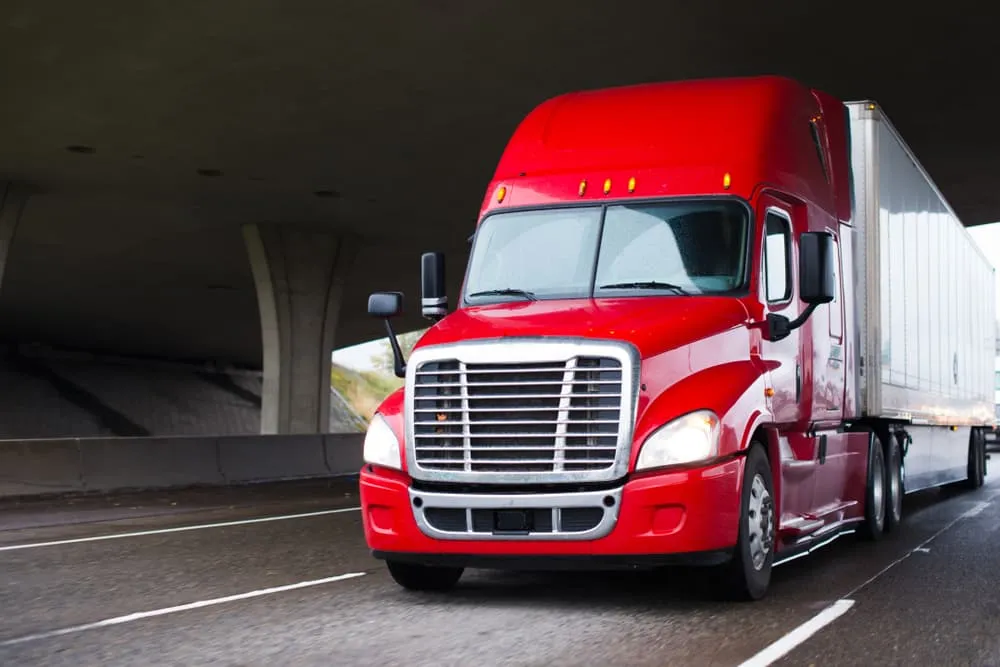
The moments after a truck accident happen fast, but the legal complexity can unfold for months. A collision between a commercial truck and a passenger vehicle rarely has a simple liability picture. The driver, the trucking company, the cargo loaders, the vehicle manufacturer, and the maintenance provider may all carry a share of legal responsibility depending on what happened and why.
At Pemberton Law, Attorney William Pemberton and our team have handled personal injury claims involving commercial trucks throughout Wisconsin, including in Madison, Baraboo, Eau Claire, and Sun Prairie. If you were injured in a truck accident, understanding how liability is determined is the first step toward protecting your rights. Our Madison truck accident lawyers are here to help.
The Legal Framework for Truck Accident Liability
Truck accident claims are governed by negligence law, which requires establishing that a party owed a duty of care, breached that duty, and caused harm as a result. In commercial trucking, the duty of care extends beyond the driver to everyone involved in putting and keeping that truck on the road.
Wisconsin applies a modified comparative negligence standard under Wis. Stat. § 895.045. This means an injured party may recover damages as long as their own fault does not exceed 51 percent. Compensation is reduced in proportion to the claimant’s share of fault. Identifying all responsible parties accurately is critical because the distribution of liability affects both recovery and strategy.
Who Can Be Held Responsible
Several parties may bear legal responsibility depending on the circumstances of the crash:
- The truck driver: Fatigue, distraction, impairment, speeding, or failure to follow hours-of-service regulations are common driver-related causes of commercial truck accidents.
- The trucking company: Carriers may be independently liable for negligent hiring, inadequate training, or pressuring drivers to violate federal safety regulations.
- Cargo loaders: Improperly loaded or secured cargo can shift during transport, causing loss of control or rollover accidents. Third-party loaders may bear liability for cargo-related crashes.
- Vehicle manufacturers: Defective brakes, tires, or other components that contributed to the crash may give rise to a products liability claim against the manufacturer.
- Maintenance providers: Companies responsible for maintaining the truck may be liable if a mechanical failure caused by inadequate service contributed to the accident.
Multiple parties may share responsibility in a single accident. Building a complete picture of what happened requires preservation of evidence that can disappear quickly in commercial trucking claims.
Evidence That Determines Liability
Commercial truck accidents generate significant documentation that is essential to any liability analysis. The truck’s electronic logging device records hours of service, speed, and braking data. The driver’s qualification file, drug and alcohol testing records, and employment history are all obtainable through the legal process. Cargo manifests, maintenance records, and the carrier’s safety compliance history are relevant when company or loader negligence is at issue.
This evidence is subject to retention schedules, and trucking companies are not always incentivized to preserve records beyond what regulations require. Acting quickly to secure a legal hold on relevant documents is one of the most important early steps in a truck accident case.
Contact Pemberton Law
If you were injured in a truck accident in Wisconsin, the liability picture is almost certainly more complicated than it may appear. Attorney William Pemberton and our team work to identify every responsible party, preserve the evidence needed to support your claim, and build a case that reflects the full extent of what happened.
We invite you to contact our office to schedule a consultation and speak with our team about your situation.