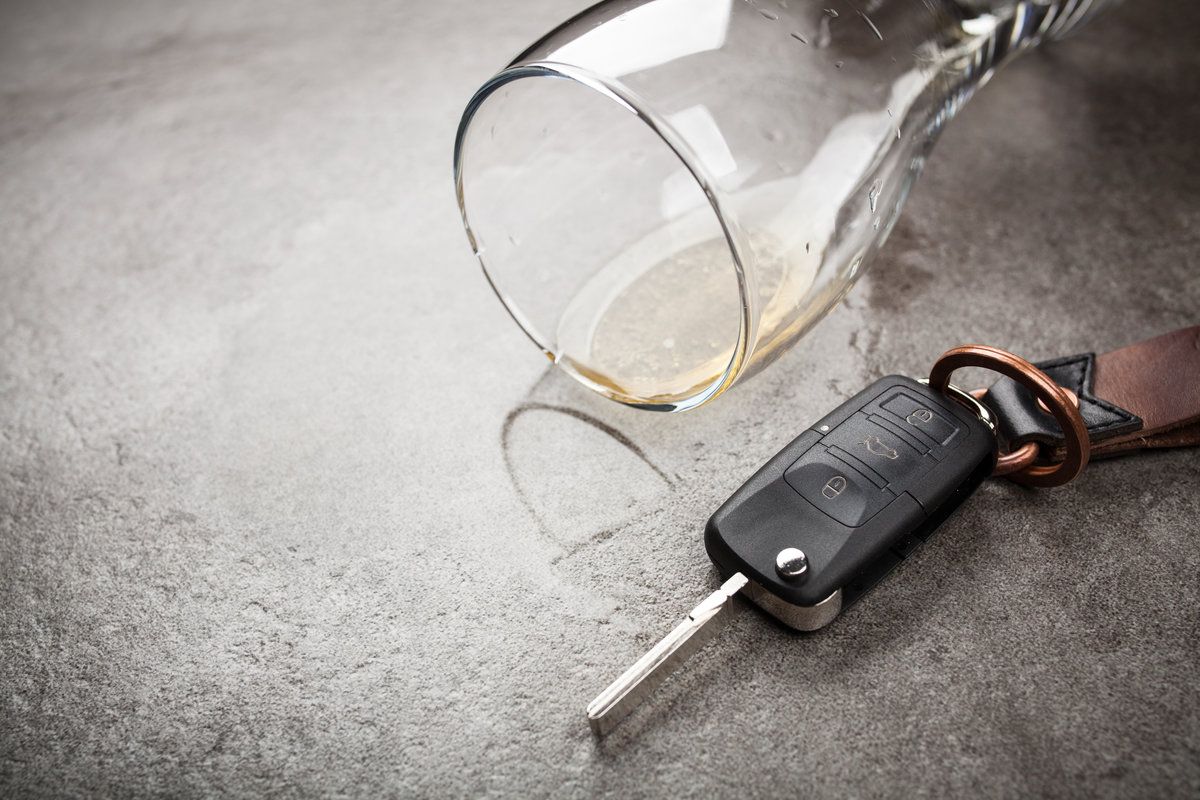
Generally, you cannot sue a Wisconsin bar for serving alcohol to an adult who later causes a drunk driving accident. However, Wisconsin law provides limited exceptions, including certain cases involving alcohol served to someone under 21. If you were hurt in a crash caused by a driver who had just left a bar, understanding these exceptions can be the difference between one claim and two.
Pemberton Personal Injury Law Firm helps injured people across Wisconsin understand these rules and pursue the compensation they deserve, whether that means holding a driver accountable, a bar accountable, or both. If you were hurt by a drunk driver, our Wisconsin drunk driving accident attorneys can review your case at no cost.
What Is Wisconsin’s Dram Shop Law?
Wisconsin’s dram shop law (Wis. Stat. § 125.035) sets out the rules for when a bar, restaurant, or liquor store can face legal responsibility after a drunk driving accident. Understanding this law is the starting point for knowing whether you have a claim beyond just the driver.
The general rule is that alcohol-serving businesses are shielded from liability in Wisconsin. If a bar serves an adult who later drives drunk and causes a crash, the bar is typically not responsible under state law. This is narrower than many other states, where overserving a visibly intoxicated adult can create liability on its own. Wisconsin’s legislature made a deliberate policy choice here: the adult who chooses to drink and then drive is treated as the party who caused the harm, not the business that served the drink.
When Can a Bar Be Held Responsible?
Wisconsin’s dram shop law includes two exceptions that remove a bar’s immunity. These situations are specific, but they are the foundation of any dram shop claim.
The first exception applies when someone was forced, coerced, or tricked into drinking alcohol. This is rare in drunk driving cases but is recognized under the statute. The second exception, and the more common one, applies when the bar served alcohol to a person under 21 years of age.
If a bartender served an underage person who then caused a crash, the bar may be held partially liable for your injuries. You can learn more about how this works in our detailed blog on dram shop liability in Wisconsin. Wisconsin courts have applied these exceptions in cases involving underage drinkers who then caused serious harm to others.
What If the Drunk Driver Was an Adult?
This is where many people are caught off guard. If the driver was an adult and was not forced to drink, Wisconsin law generally does not allow you to sue the bar that served them. The legal responsibility rests with the driver.
That said, the details of your case still matter. If there is evidence that the driver was under 21 and the bar served them anyway, you may have a valid claim against both the driver and the bar. Our dedicated attorneys can help you investigate all possible sources of liability.
Can a Social Host Be Liable Too?
Dram shop liability is usually associated with bars and restaurants, but the underage exception is not limited to businesses that sell alcohol. A private social host, such as a parent hosting a graduation party or a family member hosting a holiday gathering, can face the same kind of claim if they knowingly provide alcohol to someone under 21 who then causes a crash.
These claims come up more often than people expect. A homeowner’s insurance policy may sometimes respond to this kind of exposure, which matters when the host does not have significant personal assets. As with a claim against a bar, the key questions are the same: did the host know or have reason to know the person was underage, and was the alcohol served a substantial factor in causing the crash?
What If the Driver Went to More Than One Bar?
Drunk driving cases are not always a single-driver, single-bar story. When an underage driver drinks at more than one location before a crash, each establishment that served them may share responsibility, with fault divided according to each one’s role in what happened.
This matters because Wisconsin’s modified comparative negligence rule, found in Wis. Stat. § 895.045, compares fault separately against each responsible party rather than treating them as a single group. In a case involving multiple bars, that separate comparison can determine how much each establishment ultimately owes.
Investigating a claim like this takes time and resources. Our Madison car accident lawyers know how to trace a driver’s movements before a crash, request records from multiple establishments, and build a case that accounts for every party who may share the blame.
Why Are Dram Shop Claims Difficult to Prove?
Wisconsin dram shop claims are harder to win than a typical car accident case because the law requires more than showing the driver was intoxicated when served. The general immunity for adult service creates a higher evidentiary bar than in states with broader dram shop statutes.
The core challenge is proving what the bartender or server actually observed, or should have observed, at the time alcohol was provided. A blood alcohol reading taken after the crash does not answer that question on its own, since it reflects how much the person had consumed in total rather than what a staff member noticed during any single interaction. Establishments also tend to defend these claims closely: staff members rarely confirm that a patron looked underage or intoxicated, and service records or training logs often become part of the dispute.
This is exactly why early investigation matters. The sooner a claim is investigated, the better the chance of preserving the records and testimony that prove what actually happened.
How Does a Dram Shop Claim Interact With the Driver’s Criminal Case?
Many drunk driving crashes lead to an OWI charge against the driver, and people sometimes assume a civil claim against a bar has to wait for that criminal case to finish. It does not. A criminal OWI case and a civil dram shop claim are separate proceedings with different purposes, different burdens of proof, and different timelines.
A criminal conviction is not required before you can pursue a civil claim, and a case that ends without a conviction does not automatically defeat a civil claim either. The civil case only needs to meet the lower “more likely than not” standard, rather than the stricter standard used in criminal court. That said, records from the criminal case, such as police reports and toxicology results, can still become useful evidence in the civil claim.
What Should You Do If You Suspect a Bar Was Involved?
What you do in the days after the crash can affect whether a dram shop claim is even possible. A few steps make a real difference:
- Seek medical care right away, even if your injuries seem minor at first
- Request a copy of the police report, which often notes where the driver had been before the crash
- Write down the name and location of the bar or establishment if you know it, along with the approximate time the driver left
- Avoid giving a recorded statement to any insurance company before speaking with an attorney
- Contact a Wisconsin car accident lawyer promptly, since surveillance footage and staff records are often kept for only a short time
What Evidence Do You Need to Build a Dram Shop Claim?
If you believe a bar or social host served alcohol to an underage person who caused your accident, building a strong claim requires solid evidence. You will need to show that alcohol was served to a minor, that the minor’s intoxication was a substantial factor in causing your injuries, and that the provider knew or should have known the person was under 21.
Useful evidence in these cases typically includes:
- Surveillance footage showing how much was served and how the person behaved over the course of the visit
- Receipts and timestamps documenting how much alcohol was purchased and when
- Witness statements from staff, other patrons, or guests who observed the person’s age or condition
- Identification records, or the lack of any ID check, at the point of service
- Blood alcohol test results from after the crash, used alongside other evidence rather than on their own
Gathering this evidence quickly matters, as surveillance footage and staff records are often kept for only a short time before they are erased or discarded. A Wisconsin drunk driving accident lawyer who knows how to investigate dram shop claims can help you preserve the evidence you need before it disappears.
What Damages Can You Recover?
Whether your claim is against the driver alone or also includes a bar or social host, Wisconsin law allows injured people to seek compensation for a range of losses. These damages can be significant, especially when injuries are serious.
Depending on the facts of your case, you may be able to recover for:
- Medical expenses, both current and future
- Lost income and reduced earning capacity
- Pain and suffering
- Property damage to your vehicle or other belongings
- Long-term care costs for serious or catastrophic injuries
In cases where a crash results in a death, the victim’s family may also have a claim. Our Wisconsin wrongful death lawyers help families pursue justice when a drunk driving crash takes someone they care about.
Frequently Asked Questions About Bar Liability in Wisconsin Drunk Driving Accidents
Can a bar be liable for overserving someone in Wisconsin?
Generally, no. Wisconsin law shields bars, restaurants, and other licensed establishments from liability when they serve alcohol to an adult who is later involved in a crash, even if that adult appeared intoxicated at the time. The main exception applies when the person served was under 21.
What if the drunk driver was under 21?
If a bar or another provider served alcohol to someone under 21 and that service was a substantial factor in the crash, the injured person may have a claim against the establishment in addition to the driver. This applies whether the alcohol was served at a bar, a restaurant, or a private home.
What is Wisconsin’s dram shop law?
Wisconsin’s dram shop law, found in Wis. Stat. Section 125.035, generally protects alcohol-serving businesses from civil liability for injuries caused by people they served. It carves out narrow exceptions, most notably for alcohol served to someone under the legal drinking age.
What evidence is needed for a dram shop claim?
A strong claim typically relies on evidence showing the provider knew or should have known the person was underage, such as surveillance footage, receipts, identification records, and witness statements. Gathering this evidence quickly matters because many records are only kept for a limited time.
Contact Pemberton Personal Injury Law Firm About Your Drunk Driving Accident Claim
After a drunk driving accident, you should not have to figure out Wisconsin’s dram shop law alone. There are real deadlines and legal rules that affect your ability to recover, and the right legal team can make a meaningful difference. Pemberton Personal Injury Law Firm brings extensive combined experience in personal injury law to every case, including a background in insurance defense that gives us a clear view of how insurance companies think and operate.
We serve clients in Madison, Baraboo, Eau Claire, Sun Prairie, Waunakee, and throughout Wisconsin. Our team has earned Super Lawyer recognition for ten consecutive years, and our results reflect our commitment to every client we serve. To get started with a free case evaluation, reach out to us today.