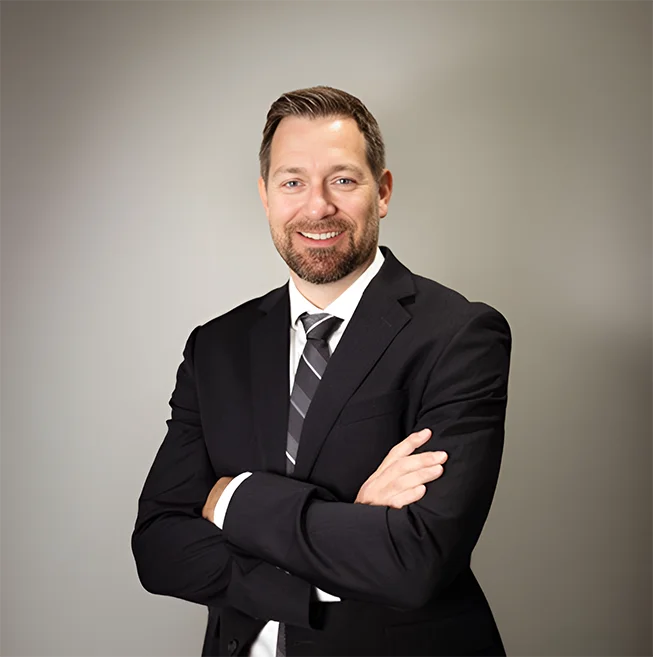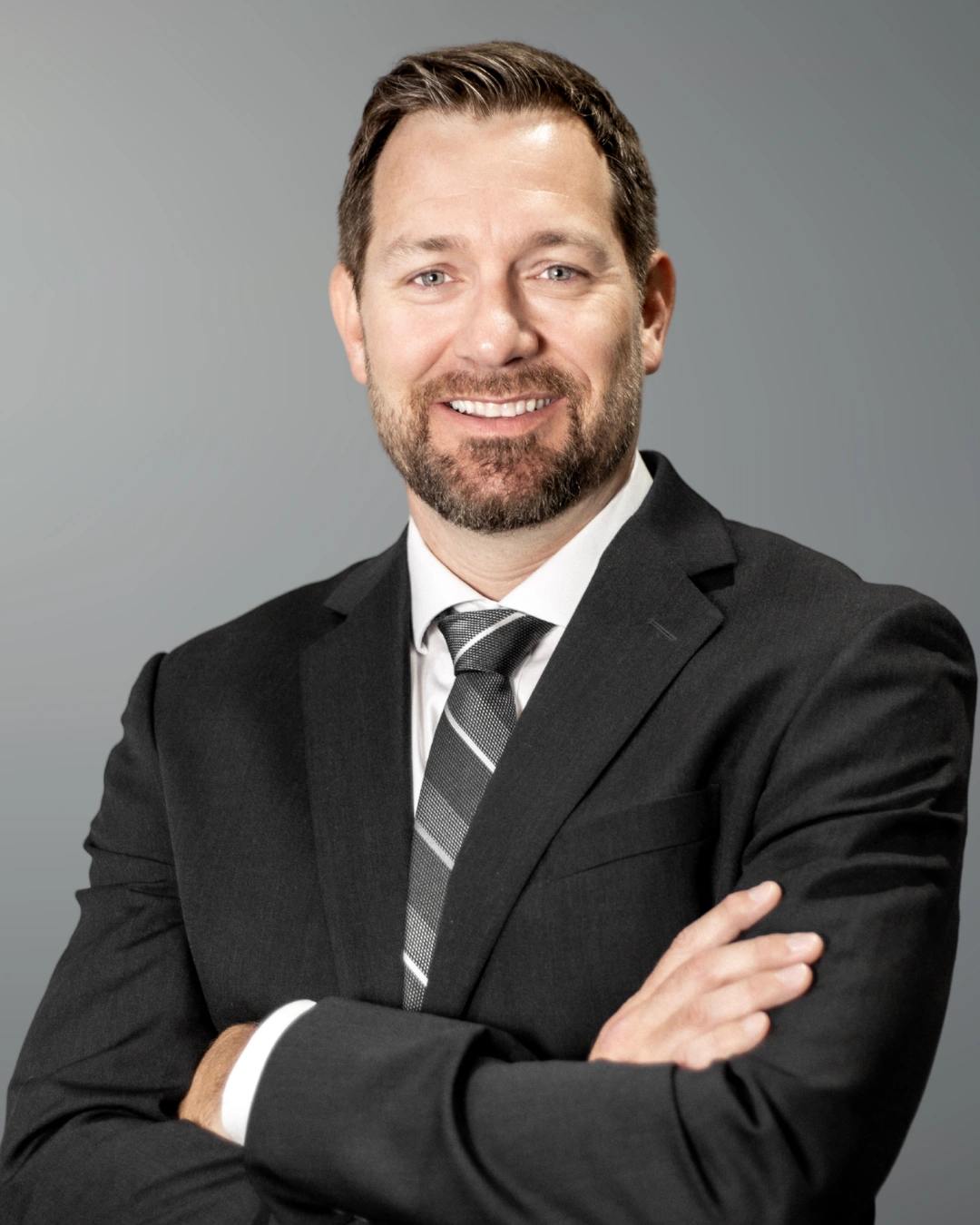
Legally Reviewed by William Pemberton on September 30, 2026
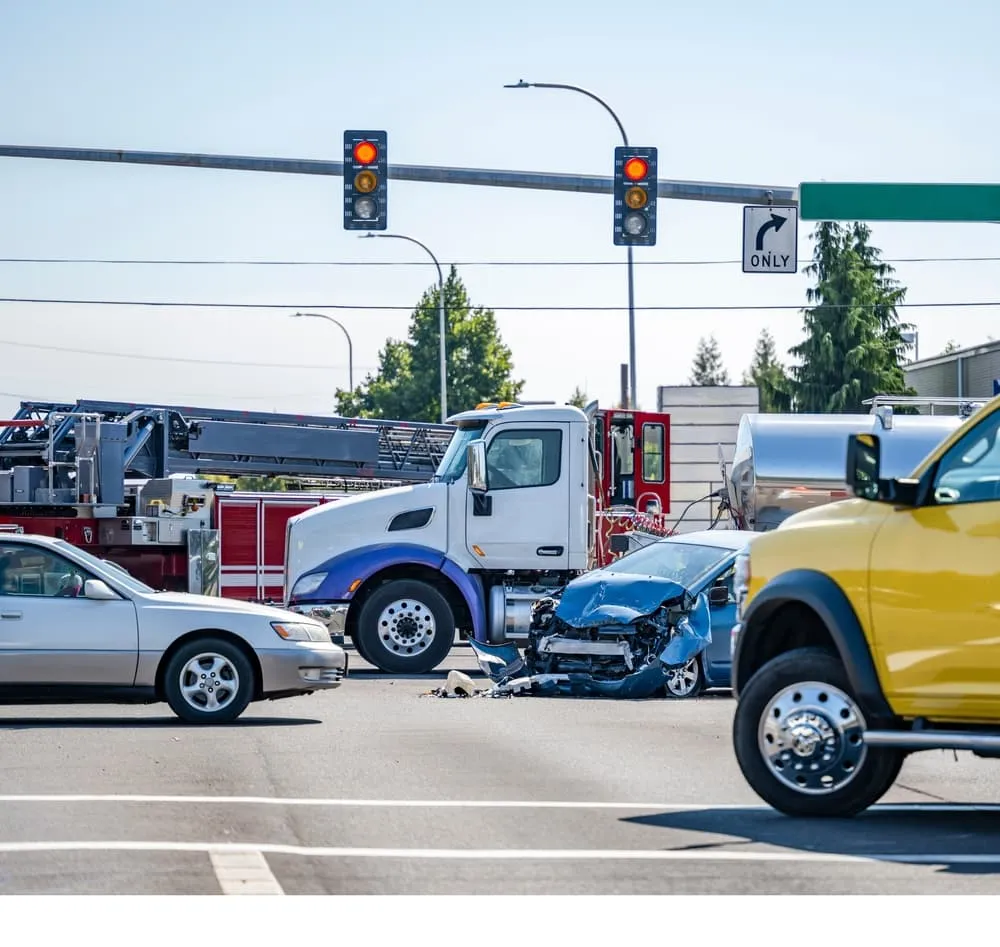
Intersections are among the most dangerous locations on any road. According to the Federal Highway Administration, nearly 50% of all traffic crashes — and approximately 20% of all traffic fatalities — occur at intersections. In Wisconsin specifically, state crash data shows that roughly 35% of all crashes happen at intersections, making them the single most common crash location in the state.
If you were injured when another driver hit you at an intersection in Wisconsin, you have rights. Our Wisconsin car accident lawyers can investigate the crash, determine who is liable, and fight for the full compensation you deserve.
Key Takeaways
- Nearly 50% of all U.S. traffic crashes occur at intersections — they are the most dangerous single location on any road.
- Common causes include running red lights or stop signs, failure to yield, distracted driving, speeding, and dangerous left turns.
- Multiple parties may be liable — not just other drivers. Government entities can be responsible when faulty intersection design, missing signals, or poor road markings cause a crash.
- Wisconsin’s comparative negligence rule means you can still recover compensation even if you were partly at fault.
- Wisconsin’s statute of limitations gives you three years to file — but evidence disappears fast. Contact an attorney immediately.
Why Intersections Are So Dangerous
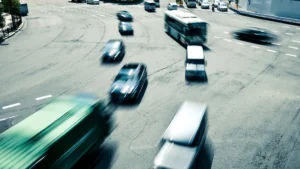
Several factors make intersections disproportionately dangerous compared to other road segments:
Crossing Paths and Conflict Points
At a four-way intersection, there are up to 32 possible conflict points where vehicles traveling different directions can collide. Even a simple T-intersection has 11 potential conflict points. The more lanes of traffic and the higher the speed limit, the greater the risk of a serious crash — which is why intersection crashes are often high-speed and high-severity.
Left Turn Accidents
Left turns are among the most dangerous driving maneuvers. Drivers must judge oncoming speed and distance while watching for pedestrians and cyclists. A staggering 61% of all intersection crashes involve a left-turning vehicle. When a driver misjudges the gap or fails to yield, the result is frequently a high-speed T-bone collision with vehicles coming through at full speed.
Running Red Lights and Stop Signs
Over 900 lives are lost nationally every year because drivers run red lights. Rolling through stop signs and failing to yield account for nearly 25% of all intersection crashes. These violations are common causes of broadsiding another vehicle — and they are straightforward to prove with traffic camera footage and police reports.
Distracted and Impaired Driving
Distracted driving makes a driver four times more likely to crash — and intersections are where inattention is most fatal. Drivers focused on phones, passengers, or other distractions may not see vehicles entering the intersection until it’s too late to stop.
Pedestrians and Cyclists
While most intersection crashes involve multiple vehicles, pedestrians and cyclists are especially vulnerable. Drivers making right turns on red or left turns across crosswalks may not see someone crossing with the right of way. Pedestrians have the right of way in marked crosswalks, but that legal protection doesn’t prevent injury when a driver isn’t looking.
Poor Visibility
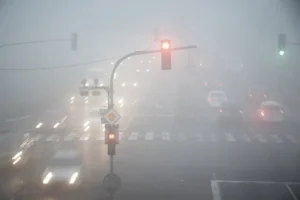
Parked vehicles, overgrown vegetation, poorly placed signs, and adverse Wisconsin weather — fog, rain, snow, glare — can all dramatically reduce a driver’s ability to see cross-traffic in time. When visibility is limited, the duty to slow down and proceed cautiously is heightened.
Who Is Liable for an Intersection Accident?
Intersection accident liability isn’t always straightforward — and it isn’t always limited to the other driver. Your attorney will investigate all potential sources of liability, including:
The At-Fault Driver
In most cases, one driver bears primary responsibility — for running a light, failing to yield, speeding, or driving distracted. Your attorney will gather traffic camera footage, eyewitness statements, the police report, and accident reconstruction analysis to build the clearest possible picture of fault. Under Wisconsin’s modified comparative negligence rule (Wis. Stat. § 895.045), you can still recover compensation even if you were partly at fault — as long as your share doesn’t exceed 50%.
A Government Entity
Not every intersection crash is caused by driver error alone. When the intersection itself is defectively designed or poorly maintained, a government entity may share liability. Examples include:
- Missing or malfunctioning traffic signals
- Obscured or faded road markings that create confusion about lane boundaries or right of way
- Signs blocked by overgrown trees or improperly placed poles
- Inadequate lighting at night
- Dangerous sight-line obstructions caused by roadway design
Suing a government entity involves special procedural rules and often shorter deadlines than a standard injury claim. An attorney experienced in these cases is essential — acting quickly is critical.
Multiple Parties
In some cases, both a negligent driver and a poorly designed intersection contributed to a crash. Wisconsin’s comparative fault system allows for proportional allocation of liability across multiple defendants — your attorney will pursue every viable avenue for recovery.
Types of Intersection Collisions
T-Bone / Broadside
The front of one vehicle slams into the side of another, often when a driver runs a red light or fails to yield while turning. These are among the most dangerous crashes for occupants seated on the struck side, even with side-impact airbags.
Rear-End
Rear-end collisions are common when lead vehicles stop suddenly at intersections and the following driver is too close or distracted. Whiplash is the most frequent resulting injury.
Head-On
Head-on collisions at intersections are rare but often fatal, combining the full speed of both vehicles into a single catastrophic impact. They typically result from a driver running a light and entering the oncoming lane.
Sideswipe
Two vehicles traveling the same direction make side contact — typically when drivers turning right from multiple lanes drift into each other, or when merging lanes on the far side of an intersection are poorly marked.
Rollover
The forces of a T-bone or sideswipe impact can cause a vehicle to roll over, particularly SUVs and pickup trucks with higher centers of gravity. Rollovers significantly increase the risk of ejection and severe injury.
Single-Vehicle
Occasionally, a single vehicle loses control at an intersection and strikes a fixed object — a light pole, fire hydrant, or building — or hits a pedestrian or cyclist. Single-vehicle crashes can involve road defect liability if poor intersection design contributed.
Common Intersection Accident Injuries
Intersection crashes often happen at significant speed and at perpendicular angles — creating impact forces the human body isn’t built to absorb. Common injuries include:
- Whiplash and neck injuries — The sudden snap of the head in rear-end and side-impact crashes damages soft tissue; more severe cases involve herniated discs and spinal damage
- Concussion and TBI — Head contact with steering wheels, windows, or airbags causes traumatic brain injuries ranging from mild concussion to severe cognitive impairment; vehicle crashes account for 17% of all TBIs in the U.S.
- Spinal cord injuries — The torque of intersection impacts can fracture vertebrae or sever the spinal cord, causing permanent paralysis; paralysis from vehicle crashes affects tens of thousands of Americans annually
- Broken bones — Drivers bracing against the steering wheel frequently sustain hand, wrist, and arm fractures; knees strike dashboards; pedestrians and cyclists suffer full-body fractures
- Internal injuries — Blunt force impact can cause life-threatening internal bleeding and organ damage that may not be immediately apparent — always seek medical care even if you feel fine
- Lacerations and scarring — Broken glass and torn metal cause deep cuts that may leave permanent facial or body scars
- Emotional trauma — Anxiety, depression, and PTSD are real, documented injuries following serious crashes — they are compensable losses, not minor inconveniences
What to Do After an Intersection Accident in Wisconsin
Report the Accident
Call 911 immediately if there are injuries. Obtain a copy of the police report and review it with your attorney — if anything is inaccurate, it can be corrected. The report is a critical piece of evidence documenting who was at the scene and what officers observed.
Watch What You Say
Do not apologize or admit fault at the scene or to insurance companies. Even an offhand “I’m sorry” can be used against you. Wisconsin’s comparative fault rules mean even a small admitted share of fault can reduce your recovery — let the investigation determine fault.
Seek Medical Treatment Immediately
Many serious injuries — concussions, internal bleeding, whiplash — don’t produce immediate symptoms. See a doctor the same day, document all symptoms honestly and completely, and follow your treatment plan without gaps. Delayed or inconsistent treatment gives insurers ammunition to dispute your injuries.
Notify Your Insurance
You are likely required to report the crash to your own insurer, even if you weren’t at fault. Provide basic facts only, and do not give a recorded statement before speaking with an attorney. Have your lawyer handle all substantive communication going forward.
Contact a Wisconsin Car Accident Attorney
Intersection accidents often involve disputed liability, multiple parties, and insurance companies with every incentive to minimize your claim. An experienced attorney investigates quickly — before surveillance footage is overwritten and witness memories fade — gathers all available evidence, and builds the strongest possible case on your behalf.
Wisconsin’s statute of limitations under Wis. Stat. § 893.54 gives you three years from the date of the crash to file a lawsuit — but if a government entity is involved, deadlines may be shorter. Don’t wait to get legal advice.
Attorney Pemberton explains how the value of an injury case is determined — what factors matter most and how to maximize your recovery.
Contact Pemberton Personal Injury Law Firm — Wisconsin Car Accident Attorneys
If you or someone you love was injured in a Wisconsin intersection accident, you deserve an experienced legal team investigating every angle — the at-fault driver, the intersection design, and every liable party. William Pemberton has been named a Super Lawyer for 14 consecutive years and holds a Martindale-Hubbell AV Preeminent Rating. Our attorneys have recovered millions for Wisconsin car accident victims, and we never charge a fee unless we win.
With offices in Baraboo, Madison, Eau Claire, and Sun Prairie, we serve injury victims throughout Wisconsin. For more on how car accident claims are valued in Wisconsin, see our detailed guide, or fill out our online contact form for a free, no-obligation case evaluation today.
Frequently Asked Questions About Intersection Accidents
What are the most common causes of intersection accidents in Wisconsin?
The most common causes of intersection accidents in Wisconsin include running red lights or stop signs, failure to yield the right of way, distracted driving, speeding, and improper left turns. Poor visibility due to Wisconsin’s weather, overgrown vegetation, or deficient road design can also contribute. In some cases, malfunctioning traffic signals or inadequate road markings maintained by a government entity play a role.
Who can be held liable for an intersection accident?
Liability in an intersection accident can extend beyond the at-fault driver. A government entity may be responsible if defective road design, malfunctioning signals, obscured signage, or poor lighting contributed to the crash. Employers can be liable if an employee caused the accident while on the job. An experienced attorney will investigate all potential sources of liability to maximize your recovery.
What should I do immediately after an intersection accident?
After an intersection accident, call 911 and remain at the scene. Seek medical attention right away, even if you feel fine, since injuries like concussions and internal bleeding may not be immediately apparent. Do not admit fault or apologize. Document the scene with photos, gather witness contact information, and report the crash to your insurer. Contact a Wisconsin car accident attorney as soon as possible to protect your rights.
How long do I have to file a claim after a Wisconsin intersection accident?
Wisconsin’s statute of limitations under Wis. Stat. § 893.54 gives you three years from the date of the accident to file a personal injury lawsuit. However, if a government entity is involved — such as a municipality responsible for a malfunctioning traffic signal — shorter notice deadlines may apply. Acting quickly is important to preserve evidence and meet any applicable deadlines.
Can I recover compensation if I was partially at fault for an intersection accident?
Yes. Wisconsin follows a modified comparative negligence rule under Wis. Stat. § 895.045. You can recover compensation even if you were partly at fault, as long as your share of fault does not exceed 50%. Your total compensation will be reduced proportionally to your percentage of fault. An attorney can help establish the other party’s greater share of liability and work to minimize any fault attributed to you.
ABOUT THE ATTORNEY
William Pemberton
Personal Injury Attorney, Pemberton Personal Injury Law Firm
William Pemberton is the founding attorney of Pemberton Personal Injury Law Firm, representing injured Wisconsinites across Madison, Eau Claire, Baraboo, Fitchburg, and Sun Prairie. He handles car accidents, motorcycle accidents, dog bites, brain injuries, and wrongful death cases on a contingency fee basis.