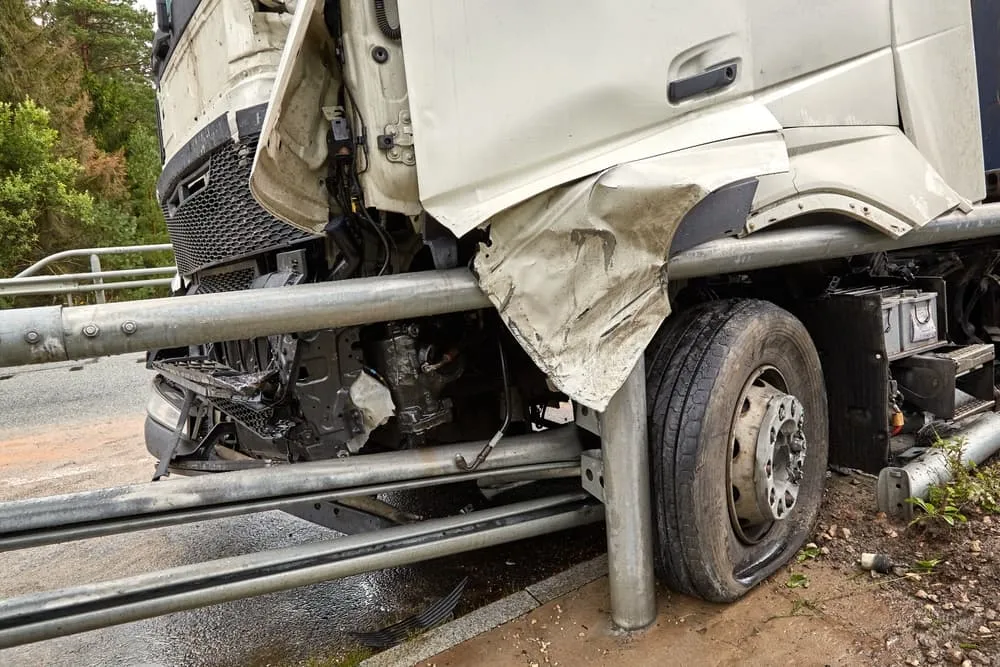
A fully loaded commercial semi truck can weigh up to 80,000 pounds. When that mass collides with a passenger vehicle, the resulting forces produce injuries that range from severe fractures and internal bleeding to traumatic brain damage and spinal cord injuries requiring lifelong care. The variety of injuries that can result from a single truck accident is significant, and each type carries its own medical, legal, and financial implications.
Pemberton Personal Injury Law Firm helps Wisconsin residents who have been seriously hurt in trucking accidents pursue the compensation they need for recovery. Attorney William Pemberton has been named a Super Lawyer for 14 consecutive years and holds a Martindale-Hubbell AV Preeminent Rating. Our legal team investigates crash causes, identifies all liable parties, and builds claims that reflect the true costs of the injuries involved. Learn more about working with our Wisconsin truck accident lawyers.
Key Takeaways
- Truck accidents in Wisconsin can cause a wide spectrum of severe injuries, including traumatic brain injuries, spinal cord damage, fractures, burns, and psychological trauma.
- Many of these injuries carry lifelong medical, financial, and emotional consequences that must be carefully documented in any legal claim.
- Liability in trucking accidents may extend beyond the driver to the trucking company, maintenance crew, or cargo loading team.
- Strong evidence, including photos, witness accounts, medical records, and onboard truck data, is essential to proving fault and securing fair compensation.
- A Wisconsin truck accident attorney can help injured victims recover damages for medical costs, lost income, and pain and suffering.
The role of a personal injury attorney in guiding you through the legal process is valuable to your case and is often necessary for full recovery.
After a semi or commercial vehicle accident injures you, contact an experienced Wisconsin truck accident lawyer for guidance on your next steps.
Physical Injuries Common in Wisconsin Truck Collisions
The most serious physical injuries in truck accidents often require extended medical treatment and can produce lasting impairments that affect a victim’s ability to work and live independently. The following are among the most frequently documented injuries in these crashes.
Traumatic Brain Injuries. The violent impact of a collision with a commercial truck can cause the brain to strike the inside of the skull, producing a traumatic brain injury. TBIs range from mild concussions with temporary symptoms to severe injuries that affect memory, cognition, motor function, and personality on a permanent basis. Legal claims for severe TBIs must account for ongoing medical care and the long-term effects on employment and quality of life.
Spinal Cord Injuries. Collisions with commercial trucks can cause damage to the spinal cord, potentially leading to partial or complete paralysis. Spinal cord injuries typically require multiple surgeries, long-term rehabilitation, and adaptive equipment. The economic costs are among the highest of any injury category, making it critical to calculate both current and future expenses when pursuing compensation.
Fractures and Broken Bones. The force of a truck collision commonly causes fractures in the arms, legs, ribs, and pelvis. While some fractures heal with casting and physical therapy, others require surgery and involve extended recovery periods that significantly affect a victim’s ability to work. The severity and location of the fracture are important factors in evaluating lost income and future limitations.
Internal Injuries. The blunt force of a truck accident can cause internal bleeding or organ damage that may not produce immediate symptoms. This delayed presentation can complicate legal claims, as insurers may argue that internal injuries developed independently of the crash. Comprehensive medical evaluation immediately after any truck accident helps establish the connection between the crash and these injuries.
Burns. When a collision causes a fuel fire or explosion, victims may sustain burns that require skin grafts, multiple surgeries, and extended hospitalization. The long-term treatment costs for severe burns must be fully accounted for in any compensation claim, as ongoing wound care and rehabilitation can continue for months or years.
Lacerations and Soft Tissue Injuries. Shattered glass, metal debris, and airbag deployment can cause deep cuts that require stitches or surgery. Soft tissue injuries, including sprains, strains, and tears in muscles, ligaments, and tendons, may not appear on X-rays but can cause significant pain and limited mobility. Consistent medical documentation is essential for substantiating these claims.
Amputations. In the most severe crashes, limbs may be so severely damaged that amputation becomes necessary. These life-altering injuries require intensive medical treatment, prosthetics, and extended rehabilitation. The long-term costs of prosthetic care and the full impact on a victim’s earning capacity must be reflected in the legal claim.
Crush Injuries. When a smaller vehicle is pinned beneath or between commercial trucks, occupants may sustain crush injuries affecting multiple body parts. These injuries can lead to complications such as compartment syndrome and often require complex medical treatment involving multiple specialists.
Whiplash, Psychological Trauma, and Other Common Injuries
Some of the most common injuries in truck accidents involve symptoms that develop over time or that do not show on standard imaging. These injuries are no less serious, but they require careful documentation to support a legal claim.
Whiplash and Neck Injuries. The sudden jolt from a truck collision frequently causes neck strain commonly known as whiplash. Insurance companies often minimize these injuries because they do not appear on X-rays, but whiplash can have lingering effects on mobility and daily function. Consistent medical treatment and documentation are important to establishing the ongoing nature of these injuries.
Herniated Discs. The forces exerted on the spine during a truck accident may cause the discs between vertebrae to rupture or herniate, often requiring surgical intervention. Herniated discs can affect a victim’s ability to perform physical work or everyday activities, and both immediate and future financial losses should be reflected in any claim.
Facial Injuries. Contact with a steering wheel, window, or airbag can cause facial fractures, dental injuries, and deep bruising. These injuries can affect both physical health and emotional well-being, and compensation may be available for the tangible medical costs as well as the effects of visible scarring or disfigurement.
Eye Injuries. Flying debris and shattered glass can cause eye injuries ranging from surface cuts to permanent vision loss. Any degree of vision impairment can affect a victim’s ability to work and perform everyday tasks, making it important to document current and anticipated future care costs.
Psychological Trauma. Beyond physical injuries, victims often experience significant psychological and emotional effects after a serious truck accident. Post-traumatic stress disorder, anxiety, depression, and sleep disruption are increasingly recognized in these cases. These conditions require professional treatment and can have a lasting effect on a victim’s quality of life and capacity to work. Professional testimony is often valuable in establishing the nature and extent of psychological injuries.
The Legal Aspects of Trucking Accidents in Wisconsin
A trucking accident does not just affect your physical and emotional well-being. It also carries important legal considerations around liability, evidence gathering, and financial recovery.
Identifying Responsible Parties. A central question in any trucking accident is determining who bears legal responsibility. Most people assume the truck driver is solely at fault, but the trucking company may also be held responsible through the doctrine of vicarious liability, which makes an employer responsible for the negligent acts of its employees during the course of their work. If poor truck maintenance contributed to the crash, the company responsible for upkeep may share liability. Cargo loading crews may also bear responsibility if improperly secured freight played a role in the accident.
The Need for Comprehensive Evidence. Collecting strong evidence is essential to establishing fault and supporting a personal injury claim. Useful evidence includes photographs of the accident scene, witness statements, official police and medical reports, and event data recorder footage from the truck itself. Onboard monitoring data can provide objective information about the driver’s hours and vehicle behavior in the moments before the crash, but this data can be overwritten quickly once the truck returns to service.
How a Personal Injury Lawyer Adds Value in a Trucking Accident

Hiring qualified legal help is often essential after a serious trucking accident. Your attorney can protect your rights, gather and analyze evidence, negotiate effectively with insurers, and represent your interests in court if the insurance company does not offer a fair settlement.
If you are a victim of a trucking accident, you may be entitled to different types of compensation. This can include past and future medical costs, ongoing care expenses, lost income, and non-economic damages for pain, suffering, and emotional distress. In some cases, the court may also award punitive damages when the responsible party’s conduct was particularly reckless.
A critical timing issue in any truck accident case is Wisconsin’s statute of limitations, which sets a three-year deadline for filing a personal injury lawsuit. There are some exceptions to this rule, so consulting with an attorney promptly helps ensure that key evidence is preserved and legal deadlines are met.
Can I recover compensation for injuries I did not notice immediately after a truck accident?
Yes. Some injuries, including internal bleeding, soft tissue injuries, and traumatic brain injuries, may not produce obvious symptoms right after the crash. This does not prevent you from seeking compensation, but it does make prompt medical evaluation very important. Medical records connecting your injuries to the accident are critical to a successful claim, and gaps in treatment can be used by insurance companies to argue that your injuries are unrelated to the crash.
Who can be held liable in a Wisconsin trucking accident beyond the driver?
Liability in truck accident cases can extend to multiple parties. The trucking company may be held responsible for the driver’s conduct under the doctrine of vicarious liability. If poor maintenance contributed to the crash, the company responsible for vehicle upkeep may share liability. Cargo loading companies can also bear responsibility if improperly secured freight played a role in the accident. An attorney investigates all potential sources of liability to maximize the compensation available to injured victims.
How long do I have to file a truck accident lawsuit in Wisconsin?
Wisconsin’s statute of limitations for personal injury claims is generally three years from the date of the accident. Certain circumstances, such as claims involving government entities or injuries discovered after the accident, can affect this timeline. Acting promptly after an accident helps ensure that important deadlines are met and that critical electronic evidence, such as truck data recorder information, is preserved before it can be lost or overwritten.
Does Pemberton Personal Injury Law Firm handle truck accident cases throughout Wisconsin?
Yes. Pemberton Personal Injury Law Firm works with truck accident victims in Madison, Baraboo, Eau Claire, and throughout Wisconsin. Attorney William Pemberton has been recognized as a Super Lawyer for 14 consecutive years and holds a Martindale-Hubbell AV Preeminent Rating. The firm offers free, no-obligation consultations to help injured victims understand their options after a serious truck accident.
Contact Pemberton Personal Injury Law Firm — Wisconsin Truck Accident Attorneys

If you have suffered serious injuries in a trucking accident in Wisconsin, getting qualified legal help as early as possible makes a meaningful difference in your outcome. The trucking company and its insurer will have experienced defense teams working to minimize your recovery from the outset.
The team at Pemberton Personal Injury Law Firm is committed to providing the legal support you need. There is no fee unless we recover compensation for you. To connect with our Wisconsin truck accident team and begin reviewing your options, contact us online today.