 Calls Answered 24/7
 e-Mail Us Now
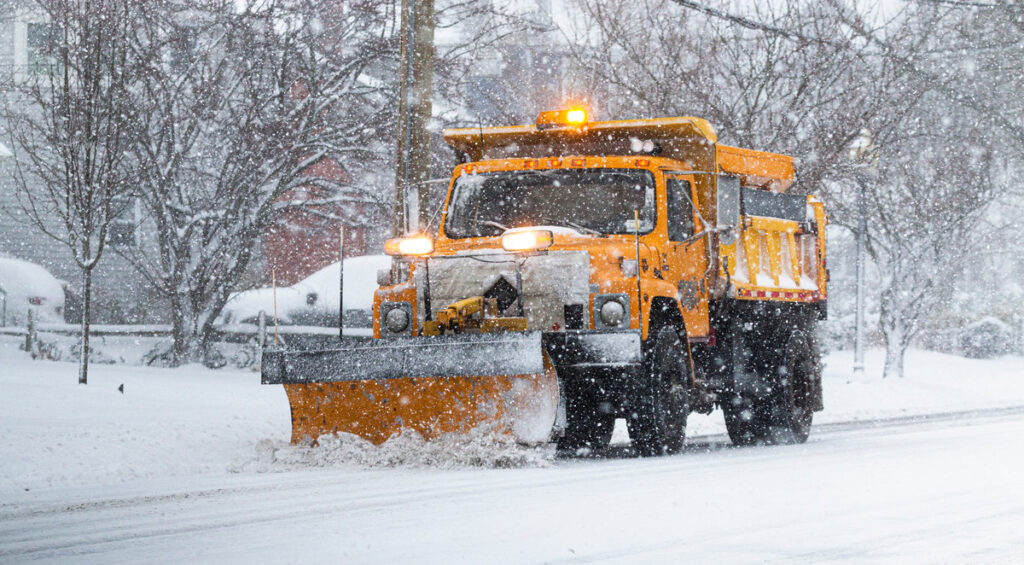
When a snowplow collides with your vehicle on an icy Wisconsin road, the aftermath extends far beyond dented metal and shattered glass. These massive machines, designed to clear our highways during brutal winter storms, can cause devastating injuries when operators lose control or fail to exercise proper caution around other drivers. If you’ve been hurt in a snowplow accident, you likely have legal grounds to pursue compensation. However, the path to recovery involves navigating complex government immunity laws and strict filing deadlines that don’t apply to typical vehicle crashes.
At Pemberton Personal Injury Law Firm, we help accident victims navigate the complicated legal process of winter weather claims. With offices in Madison, Baraboo, and Eau Claire, our team works to hold negligent parties accountable and secure fair compensation for people hurt through no fault of their own.
Who May Be Liable in a Snowplow Accident?
Determining fault in snowplow accidents depends on several factors, including who operated the plow and what caused the collision. Wisconsin truck accident laws apply to many snowplow cases, but additional considerations come into play when government vehicles or private contractors are involved.
Government Snowplow Operators
Municipal, county, and state snowplows often benefit from government immunity protections, which limit when and how you can sue. However, exceptions exist when operators act recklessly or when the government fails to properly maintain equipment.
Private Contractor Snowplows
Many businesses and property owners hire private companies to clear parking lots and roads. These contractors may be liable if their negligence causes an accident, such as failing to use proper warning lights or plowing at unsafe speeds.
Other Drivers
Sometimes the snowplow operator isn’t at fault. Another driver may cause a collision by failing to yield to the plow, driving too fast for conditions, or failing to maintain a safe distance from the large vehicle.
Property Owners
In premises liability cases, property owners may share responsibility if poor snow removal practices or inadequate warnings contribute to an accident.
Common Causes of Snowplow Accidents
Snowplow accidents happen for many reasons, and identifying the cause helps determine who should be held responsible. According to the Wisconsin Department of Health Services, traffic injuries cause an average of 613 deaths and 2,753 hospitalizations each year in Wisconsin, with winter weather conditions contributing to many of these incidents.
Poor visibility during heavy snowfall makes it harder for drivers to see plows, especially when equipment lacks proper lighting or reflective markings. Operators who drive too fast for road conditions, fail to yield the right of way, or make sudden turns without signaling create dangerous situations for other vehicles.
Mechanical failures also play a role. Hydraulic system malfunctions, brake failures, and equipment defects can cause plows to lose control or strike other vehicles without warning. Additionally, when operators are inexperienced or inadequately trained, they may not understand how to safely maneuver the large, heavy equipment around other traffic.
What Damages Can I Recover After a Snowplow Accident?
The compensation available in snowplow accident cases depends on the extent of your injuries and how they affect your life.
Medical Expenses and Lost Income
If you’re injured in a snowplow accident caused by someone else’s recklessness, you may be entitled to several types of compensation. Medical expenses, including emergency care, surgery, physical therapy, and ongoing treatment costs, can quickly add up after a serious accident. Lost wages from time away from work and reduced earning capacity if your injuries stop you from returning to your previous job also factor into your claim.
Pain, Suffering, and Property Damage
Pain and suffering damages compensate you for physical discomfort, emotional distress, and diminished quality of life resulting from the accident. Car accident settlements follow similar principles, where the severity of your injuries and their impact on your daily life influence the final settlement amount. Property damage to your vehicle and any personal belongings destroyed in the crash should also be included in your claim.
Challenges in Snowplow Accident Cases
Several legal obstacles can complicate your path to recovery after a snowplow accident.
Comparative Negligence in Wisconsin
Pursuing compensation after a snowplow accident involves several legal hurdles. Wisconsin’s comparative negligence rule means your compensation may be reduced if you’re found partially at fault. For example, if you were driving 10% over the speed limit during a snowstorm, your settlement might be reduced by that percentage.
Government Immunity Protections
Government immunity presents another obstacle. According to Wis. Stat. § 893.80, state and local governments enjoy special legal protections that make it harder to sue them for the actions of their employees. You’ll need to prove that the snowplow operator acted with gross negligence or that the government failed to maintain its equipment in a way that created an unreasonable danger.
Notice Requirements and Deadlines
Additionally, strict notice requirements apply to claims against government entities. In Wisconsin, you typically have only 120 days to file a notice of claim with the appropriate government office, which is much shorter than the three-year statute of limitations for most personal injury cases.
Steps to Take After a Snowplow Accident
If you’re injured in a snowplow accident, taking the right steps immediately afterward strengthens your case.
- Call 911 right away, even if your injuries seem minor. Medical attention creates a record of your injuries, and a police report documents the accident scene and assigns preliminary fault.
- Get the snowplow operator’s information, including their name, employer, insurance details, and any vehicle identification numbers.
- Take photos of the accident scene, vehicle damage, road conditions, and your injuries if you’re able to do so safely.
- Identify witnesses to the accident and obtain their contact information.
- Winter weather conditions change quickly, so documenting snow accumulation, visibility, and road hazards at the time of the accident becomes critical evidence.
Don’t give recorded statements to insurance companies before speaking with an attorney. Insurance adjusters often use these statements to minimize your claim or shift blame to you. Instead, contact us at Pemberton Personal Injury Law Firm as we understand Wisconsin’s unique snowplow accident laws.
Get Legal Help for Your Snowplow Accident Claim at Pemberton Personal Injury Law
Snowplow accidents involve complex liability questions, strict legal deadlines, and insurance companies determined to pay as little as possible. At Pemberton Personal Injury Law Firm, we’ve spent years helping Wisconsin accident victims recover the compensation they deserve. Our team investigates every aspect of your case, from operator negligence to equipment failures, to build the strongest possible claim on your behalf.
We offer free case evaluations and work on a contingency basis, which means you pay nothing unless we win your case. Contact us today to discuss your snowplow accident claim and learn how we can help you move forward.

Attorney Rhyan J. Lindley represents Wisconsin clients with a focus on truck and motorcycle accidents, nursing home abuse, and wrongful death cases. Recognized as one of “The Best Lawyers in America” and part of the National Trial Lawyers’ “Top 40 Under 40,” Rhyan brings exceptional trial advocacy skills to every case he handles.