Rear-end collisions rank among the most common types of traffic accidents on Wisconsin roads, often leaving Wisconsin drivers with injuries ranging from whiplash to traumatic brain injuries. While most people assume the rear driver is always at fault for these crashes, determining fault can be more complex than it appears, and several factors come into play when establishing legal liability.
Wisconsin car accident attorneys can thoroughly investigate your rear-end collision, gather critical evidence, and identify all responsible parties to maximize your compensation. Pemberton Personal Injury Law Firm has over 80+ years of combined experience helping accident victims across Wisconsin secure the financial recovery they deserve after rear-end crashes.
Understanding Fault in Rear-End Collisions
A rear-end accident occurs when one vehicle hits the back of another vehicle. Traffic laws generally require drivers to maintain safe following distances and remain prepared to stop when traffic conditions change. As a result, the trailing driver is often found at fault in a rear-end accident, though the facts of each crash ultimately determine liability, and in some situations, the lead driver may share or bear primary responsibility.
Wisconsin operates under a modified comparative negligence system with a 51% bar, according to Wisconsin Statute 895.045. This means you can recover compensation even if you’re partially at fault for the accident, provided you’re 50% or less responsible. However, your compensation will be reduced proportionally to match your percentage of fault.
Leading Causes of Rear-End Accidents
Wisconsin sees an average of 136,000 vehicle crashes every year, including rear-end collisions. These crashes result in 500 fatalities and injure more than 30,000 people. Several factors contribute to rear-end collisions on Wisconsin roads. Understanding these common causes can help establish liability in your case.
Distracted Driving
Distracted driving has become the leading contributor to rear-end collisions in recent years. According to the Wisconsin Department of Transportation, roughly 10,000 distracted driving-related crashes occur in the state every year. When drivers text, use navigation systems, or engage in other distracting activities, they fail to notice when traffic ahead slows or stops, leading to rear-end collisions.
Following Too Closely
Tailgating eliminates the time and distance needed to react safely to sudden stops. The recommended following distance is at least three seconds behind the vehicle ahead, but many drivers ignore this safety guideline. When following too closely, drivers cannot stop in time to avoid collisions when lead vehicles brake suddenly.
Weather Conditions
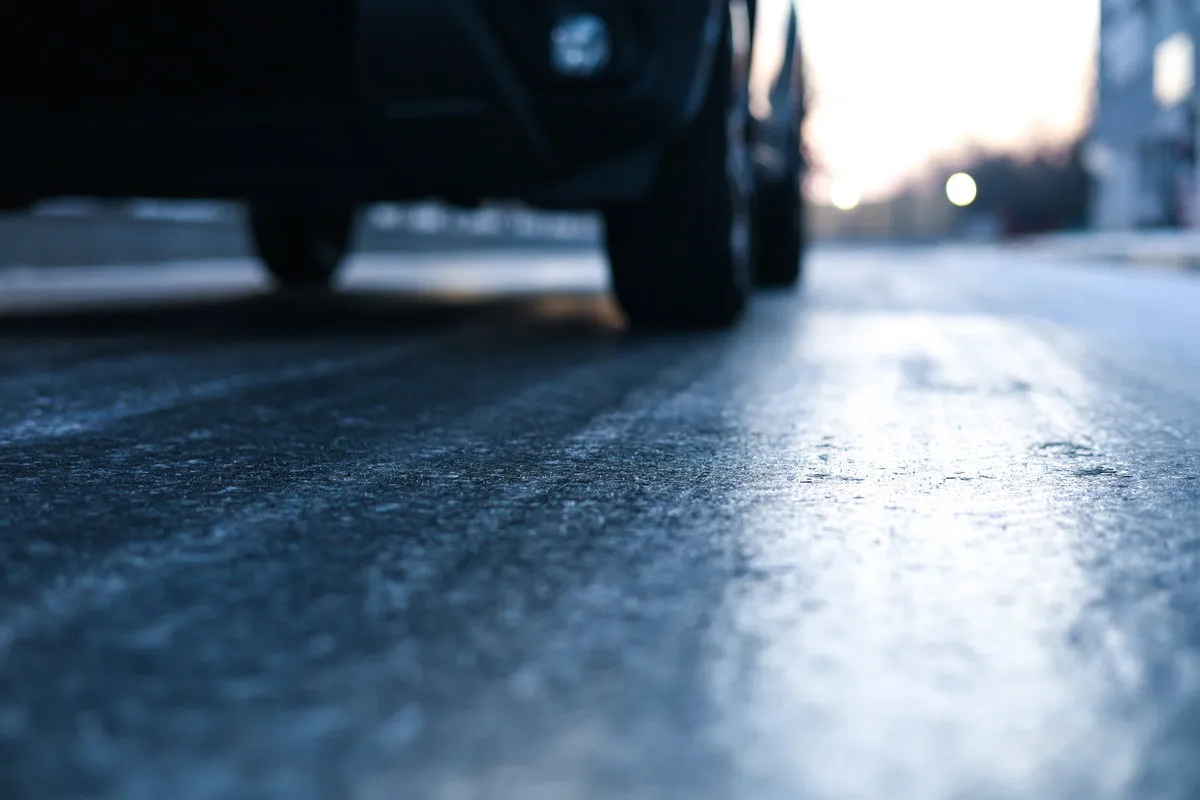
Wisconsin’s challenging weather significantly increases rear-end collision risks on Wisconsin roadways. Rain reduces tire traction and impairs visibility, while snow and ice create treacherous driving conditions that extend stopping distances. Fog limits visibility, making it difficult for drivers to judge distances and speeds of vehicles ahead. Drivers who don’t adjust their speed and following distance for weather conditions frequently cause rear-end accidents.
Speeding
Speeding dramatically increases both the likelihood and severity of rear-end collisions. When traveling at excessive speeds, drivers have less time to react and require more distance to stop. Recent data shows that in just one year, Wisconsin recorded 17,597 speed-related crashes, resulting in 186 fatalities and 6,871 injuries. Speeding accounted for 14 percent of all crashes and 34 percent of all fatal crashes during the year.
Interestingly, male drivers, particularly those between 16 and 24, accounted for nearly 66 percent of all speed-related crashes. Inexperience and a tendency towards risky behavior are potential factors among these young drivers.
The timing and location of these accidents also reveal crucial insights. Speed-related crashes in Wisconsin tend to peak in the winter months, with February and December notably high-risk due to drivers driving too fast for weather conditions. On a daily basis, these accidents are most common between 7 a.m. and 8 a.m and 3 p.m. and 5 p.m., possibly because of drivers rushing to and from work.
Mechanical Issues
When a vehicle’s brakes, tires, or other critical components fail, the driver cannot stop in time to avoid a collision. If a vehicle’s brakes are improperly maintained or fail unexpectedly, the driver cannot stop in time to avoid hitting the vehicle in front of them. This is especially true if the driver follows too closely or travels at high speeds.
Tire blowouts can also contribute to rear-end accidents, causing the driver to lose control of their vehicle. When a tire fails, it can cause the vehicle to swerve or skid, making it difficult for the driver to maintain a safe following distance or stop in time to avoid a collision. Other mechanical issues that can lead to rear-end accidents include malfunctioning tail or brake lights, which can make it difficult for following drivers to know when you’re slowing down or stopping.
When the Lead Driver May Be at Fault
While less common, lead drivers can cause rear-end accidents through several actions. Brake-checking or sudden braking without reason can result in lead driver liability. Malfunctioning brake lights that fail to warn following drivers of stops may shift fault to the front vehicle. Sudden illegal lane changes without signaling can make lead drivers responsible for resulting collisions.
Reversing into traffic, pulling out abruptly, or engaging in road rage behavior can all establish the lead driver’s fault. If a vehicle breaks down and the driver fails to provide adequate warning by using hazard lights or moving to the shoulder when possible, they may be responsible for a rear-end collision. Determining fault requires a detailed analysis of the specific facts and circumstances surrounding each accident.
What Are the Four Elements of Negligence?
Negligence forms the foundation of most personal injury claims. To build a successful case, you must establish four key elements that connect the defendant’s actions to the harm you suffered.

These elements include duty of care, breach of that duty, causation, and damages. Each component must be proven for your claim to succeed. The defendant must have owed you a duty to act responsibly, failed to uphold that duty, directly caused your injury through that failure, and left you with actual harm to your body or property. If you can establish all four of these elements, you have grounds to pursue compensation for your losses.
What Duty of Care Do Drivers Owe?
Every driver on the road accepts a legal responsibility to operate their vehicle safely. This duty extends to protecting other motorists, pedestrians, and property from harm caused by negligent driving.
Responsible driving requires following traffic laws, maintaining proper control of your vehicle’s speed and direction, staying alert to changing road conditions, keeping your car mechanically sound, and remaining at the scene after an accident to help injured victims. When a driver fails to meet these standards and causes a collision, they breach their duty of care.
What Types of Evidence Prove Fault in a Rear-End Accident?
Building a strong case after a rear-end collision requires gathering multiple forms of evidence to clearly establish how the accident occurred and who is responsible. Start with the police report, which documents the officer’s assessment of the scene and often includes their determination of fault. Witness testimony can corroborate your account and provide crucial details about the moments leading up to impact.
Additionally, your medical records create a direct link between the collision and your injuries, while photos of vehicle damage, skid marks, and road conditions preserve the scene before repairs begin. Dashboard camera footage, when available, offers objective proof of the other driver’s actions. Collecting this evidence immediately after the accident strengthens your position when negotiating with insurance companies or presenting your case in court.
Damages Available After Rear-End Accidents
Victims of rear-end collisions can pursue several types of compensation, including the following:

- Medical expenses, including emergency treatment, ongoing care, physical therapy, and future medical needs
- Lost income covers both past wages and future earning capacity affected by injuries
- Pain and suffering damages compensate for physical pain, emotional distress, and diminished quality of life
- Property damage compensation covers vehicle repairs, replacement costs, and rental car expenses
In cases involving particularly reckless conduct, such as drunk driving or intentional actions, courts may award punitive damages to punish wrongdoers and deter similar behavior. Wisconsin law imposes strict deadlines for personal injury claims. Typically, the statute of limitations for these cases is three years from the date of the accident under Wisconsin Statute 893.54. However, important exceptions and the unique details of your claim can affect your specific deadline.
Contact Pemberton Personal Injury Law Firm
If you’ve suffered injuries in a rear-end collision, don’t navigate the legal process alone. Pemberton Personal Injury Law Firm has achieved a major jury verdict in a high-stakes personal injury case and has recovered over one million dollars in awards and settlements for Wisconsin accident victims. Our team provides personalized legal strategies tailored to your unique situation and thoroughly investigates every aspect of your crash to build the strongest possible case.
Delaying legal action risks losing your right to recover compensation. Our experienced attorneys understand Wisconsin’s comparative negligence laws and know how to counter insurance company tactics that attempt to unfairly shift blame. Contact us today for a free case evaluation to discuss your rear-end accident claim and learn how we can help you secure maximum compensation.