Legally Reviewed by William Pemberton on September 29, 2026
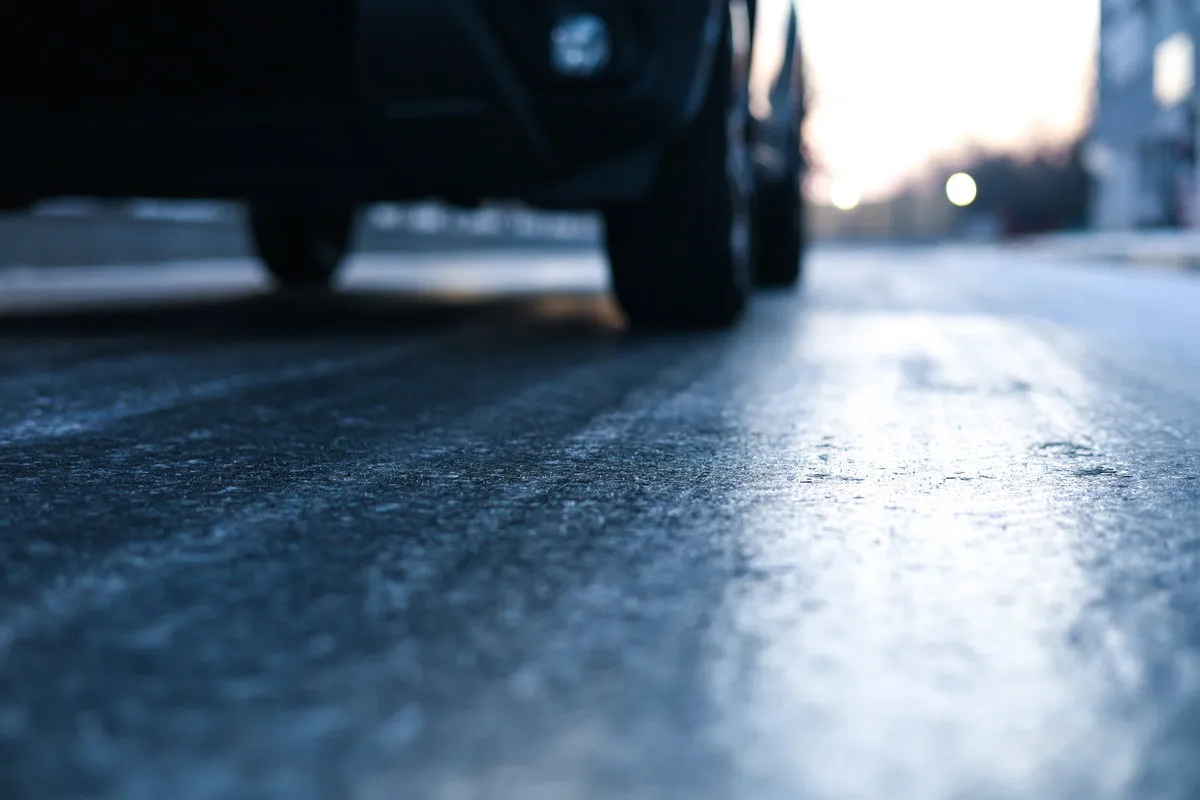
Black ice is the silent hazard of Wisconsin winters — invisible against dark pavement, offering no warning before a foot slips or a knee buckles. Falls on black ice in parking lots send thousands of Wisconsinites to emergency rooms every year, and the injuries are rarely minor: broken hips, fractured wrists, traumatic brain injuries, and spinal damage are common outcomes of what looked like an ordinary walk to a car door.
Pemberton Personal Injury Law Firm has represented people injured on ice-covered parking lots throughout Wisconsin, from Madison to Baraboo to Eau Claire. If you fell on black ice at a business, apartment complex, or commercial property, our team can evaluate whether the property owner or manager failed to meet their legal duty to keep the premises safe. Wisconsin premises liability law gives injured people real options, but acting quickly matters.
Wisconsin Premises Liability Law and Black Ice
Property owners in Wisconsin have a legal duty to maintain reasonably safe conditions for visitors. This obligation intensifies in winter, when black ice can form rapidly on pavement, especially overnight or during freeze-thaw cycles. Black ice is uniquely dangerous because it is nearly invisible, forming as a thin, glassy layer that looks like wet pavement rather than ice and giving visitors no visual cue to slow down or step carefully.
According to the Centers for Disease Control and Prevention, over 14 million adults 65 and older report falling each year, with about 37 percent of those falls resulting in injuries requiring medical treatment, totaling an estimated nine million fall injuries annually. Slips on ice and snow are among the leading causes.
When a property owner knows or reasonably should know that black ice exists on their premises, Wisconsin law requires them to either fix it or clearly warn visitors about it. Failing to salt, sand, or otherwise treat an icy surface, or failing to post warnings about the hazard, can constitute negligence and make the owner liable for any resulting injuries.
Who Bears Responsibility for a Black Ice Accident
The party responsible for maintaining a parking lot is typically the party liable for injuries that occur on it. In commercial settings, that responsibility may be shared or delegated, which means more than one entity may have legal exposure.
Property Owners and Management Companies
Property owners are ultimately responsible for safe conditions on their premises. Many owners delegate day-to-day maintenance to property management companies, and when they do, both parties may face liability if black ice causes an injury. Management companies that accept responsibility for snow and ice removal must carry out that duty with reasonable care, including regular inspections, timely treatment of ice hazards, and documentation of their efforts. A failure to inspect or a gap in treatment schedules can establish liability for both parties.
Snow Removal Contractors
Third-party contractors hired to salt, plow, or monitor a parking lot can also be held accountable when their work falls short. If a contractor was paid to monitor and treat a surface for ice but failed to show up or applied treatment carelessly, they may share liability for a resulting fall. The terms of their contract, including service schedules, response windows, and the defined scope of work, become critical evidence in these cases.
Tenant Businesses
Commercial leases sometimes require tenants to maintain the parking areas assigned to them. When a lease clearly places winter maintenance duties on the business operating in a space, that tenant may share liability for injuries occurring in their designated zone. A thorough review of the lease agreement is often one of the first steps in a black ice injury investigation.
What Strengthens a Black Ice Claim
Proving that black ice caused your fall is rarely enough on its own. A successful claim requires showing that the responsible party had a legal duty to address the hazard, that they failed to do so, and that this failure caused your injury. Several factors can significantly strengthen a case.
Prior notice is among the most powerful forms of evidence. If the property owner previously received complaints about icy conditions in the same area, or if a prior incident was documented there, it becomes harder to argue they had no reason to act. The length of time the ice existed before the fall also matters, as Wisconsin slip and fall law recognizes that property owners need reasonable time to discover hazards, but extended periods without action demonstrate neglect.
Weather data can also establish foreseeability. When overnight temperatures drop below freezing after rain, property owners have every reason to expect black ice by morning. Failure to treat the surface before foot traffic begins, despite forecasts that clearly predicted freezing conditions, is difficult to defend. Finally, a property’s history of similar incidents can show that the owner should have anticipated the danger and taken preventive steps.
Common Injuries from Parking Lot Ice Falls
Falls on black ice tend to be sudden and violent. People have no chance to brace themselves when ice appears without warning, and the injuries that result reflect that severity.
Hip and wrist fractures are among the most common, particularly for older adults, as an outstretched hand or a side-impact landing absorbs enormous force. Knee ligament tears, ankle fractures, and shoulder injuries also occur frequently when a person tries to catch themselves mid-fall. Traumatic brain injuries, including concussions and more serious damage, can result from striking the back of the head against pavement. Spinal cord injuries are among the most serious outcomes, with potential consequences including chronic pain, nerve damage, and lasting physical limitations.
The financial impact of these injuries is often severe. Emergency room visits, diagnostic imaging, orthopedic procedures, physical therapy, and lost income can accumulate quickly. When a property owner’s negligence caused the fall, Wisconsin law may allow recovery for all of these losses.
Get Help from Pemberton Personal Injury Law Firm
Pursuing a claim for a black ice injury requires moving quickly. Weather records fade, surveillance footage is overwritten, and property owners have their own legal teams working to minimize exposure. Pemberton Personal Injury Law Firm has handled premises liability cases across Wisconsin, gathering the evidence needed to demonstrate that a property owner failed to act when they had every reason to do so.
Our attorneys investigate weather forecasts, maintenance logs, inspection records, contractor agreements, and any prior complaints about the hazard location. We handle negotiations with insurance companies directly and take cases to trial when necessary to secure fair compensation for medical bills, lost wages, and pain and suffering.
Contact our office today for a free consultation about your black ice accident case.
Who is liable if I fell on black ice in a Wisconsin parking lot?
Liability typically falls on the property owner or the company responsible for maintaining the parking lot. In commercial settings, a property management company or snow removal contractor may also share responsibility depending on their contractual obligations. A personal injury attorney can review who controlled the property and whether they met their duty to keep it safe.
What evidence helps a black ice slip and fall claim?
Useful evidence includes photographs of the ice and surrounding conditions, weather records showing overnight temperatures or precipitation, any prior complaints about ice in the same area, maintenance and treatment logs, surveillance footage, and witness statements. Property owners often overwrite footage quickly, so contacting an attorney soon after the fall helps preserve critical evidence.
How long do I have to file a premises liability claim in Wisconsin?
Wisconsin generally allows three years from the date of injury to file a personal injury lawsuit, but some claims against government-owned properties have much shorter notice requirements. Consulting an attorney promptly after a fall protects your rights and allows time to gather evidence before it disappears.
What damages can I recover after a black ice fall?
Wisconsin law may allow recovery for medical bills, future medical expenses, lost wages, reduced earning capacity, pain and suffering, and other losses tied to the injury. The specific damages available depend on the facts of your case, the severity of your injuries, and the strength of the evidence supporting your claim.
ABOUT THE ATTORNEY
William Pemberton
Personal Injury Attorney, Pemberton Personal Injury Law Firm
William Pemberton is the founding attorney of Pemberton Personal Injury Law Firm, representing injured Wisconsinites across Madison, Eau Claire, Baraboo, Fitchburg, and Sun Prairie. He handles car accidents, motorcycle accidents, dog bites, brain injuries, and wrongful death cases on a contingency fee basis.