Legally Reviewed by William Pemberton on September 22, 2026
Every second of a car accident happens fast, but the consequences can last for years. When fault is disputed, one of the most compelling pieces of evidence available today is dashcam footage, and understanding how it functions in a personal injury claim can make a meaningful difference in the outcome. While dashcams have become increasingly affordable and widely used, many Wisconsin drivers don’t fully consider the legal weight that footage can carry until after a crash has already occurred. If you’re looking for more information about your legal options, speaking with experienced Wisconsin car accident lawyers can help you better understand your rights.
At Pemberton Personal Injury Law Firm, we understand how critical evidence is in building a strong car accident claim. With decades of combined experience representing injured Wisconsinites, we know firsthand that the documentation captured in the moments before and during a collision can significantly shape how a case is evaluated by insurers and courts alike. Our team works with clients to gather and assess every available piece of evidence, including dashcam recordings, to pursue the compensation they deserve.
When Dashcam Footage Helps Your Claim
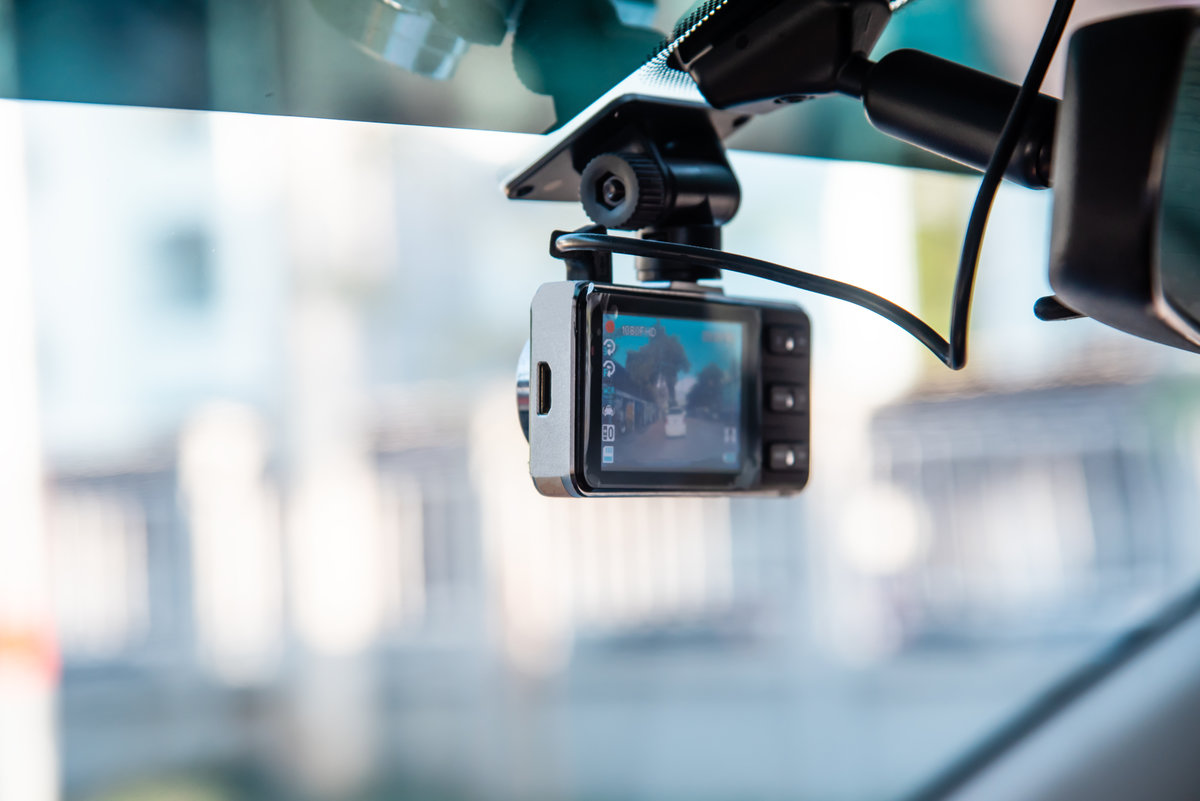
Dashcam footage can serve as a powerful tool for victims of Wisconsin car accidents when it captures objective, real-time evidence of what occurred. Unlike eyewitness testimony, which can be inconsistent or influenced by perception, video evidence does not change. If the footage clearly shows another driver running a red light, failing to yield, or making an unsafe lane change, it can go a long way toward establishing liability and countering a disputed version of events.
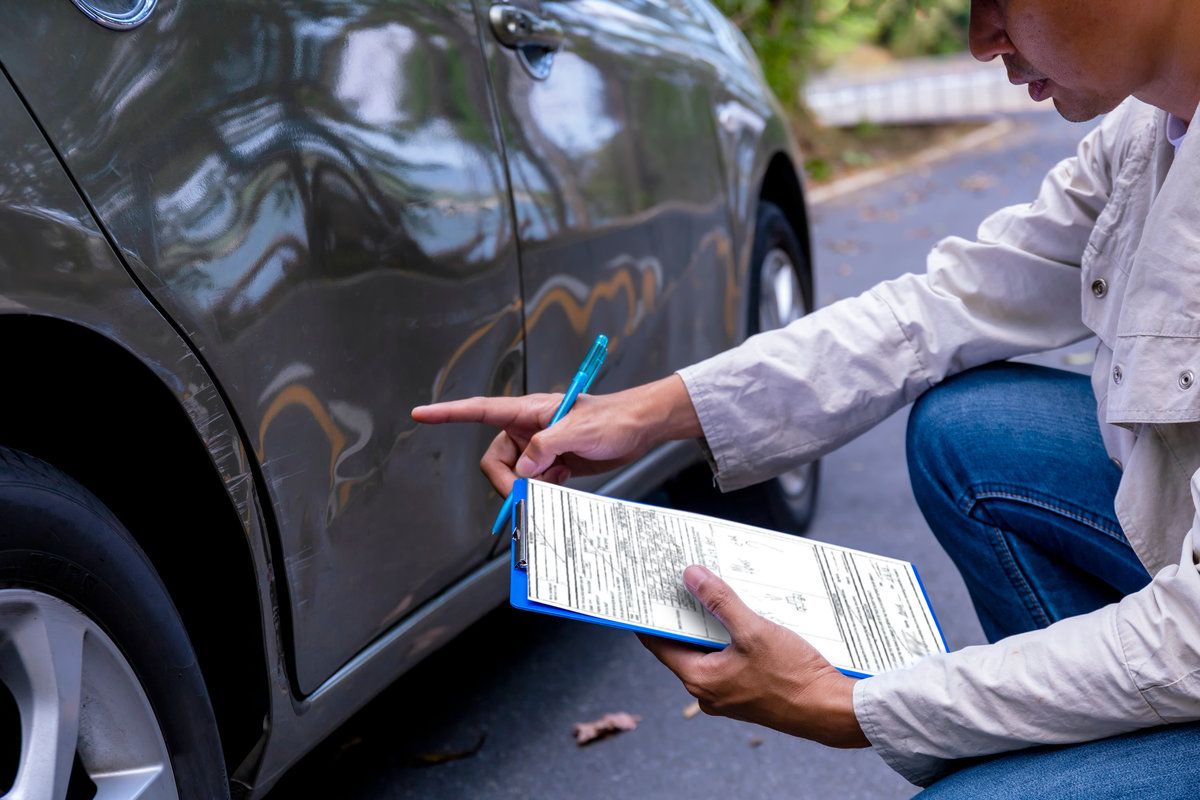
Insurance companies routinely challenge fault determinations, and having video documentation can reduce the back-and-forth that often delays settlements. In cases involving commercial vehicles, such as those handled by our Wisconsin truck accident lawyers, footage becomes especially valuable because it may capture driver behavior, road conditions, and the moments leading up to impact in detail that witness statements alone cannot provide. Dashcam evidence can also support documentation of injuries and vehicle damage by providing context for how severe the collision was at the point of impact.
When Dashcam Footage Can Hurt Your Claim
Not every dashcam video tells a favorable story. If footage shows that you were speeding, distracted, or failed to follow traffic signals before the crash, that same recording can be used by the opposing party or insurance adjuster to reduce or deny your claim. Wisconsin follows a modified comparative negligence rule, meaning that if you are found to be 51% or more at fault for the accident, you may be barred from recovering damages.
This is why it is important to consult with an attorney before sharing or voluntarily turning over any dashcam footage. Even footage that seems neutral on the surface may contain details that an experienced opposing counsel could use to shift blame. In serious cases such as those involving wrongful death, every piece of evidence is scrutinized closely, and the strategic handling of video recordings can be critical to a claim’s success.
How Dashcam Footage Is Handled in Wisconsin Claims
In Wisconsin, dashcam footage is typically treated as admissible, provided it is properly authenticated and relevant to the disputed facts. It is also worth noting that if an opposing party requests dashcam footage during the discovery process, you may be legally obligated to produce it.
Failing to preserve potentially relevant dashcam footage may create legal issues during the claims or discovery process. This is why downloading and securing your dashcam recording immediately following any collision is a step we strongly encourage.
What You Should Do After an Accident
If you were involved in a crash and your vehicle is equipped with a dashcam, the first thing to do is secure the footage before it overwrites itself. Many dashcams operate on a loop, automatically recording over older footage when storage is full. Acting quickly to save the recording to an external device or cloud storage ensures that it remains available for your legal team to review.
After securing any footage, avoid sharing it publicly or handing it over to insurance adjusters without first speaking with an attorney. The way evidence is presented and disclosed can affect the trajectory of your claim, and having legal guidance early in the process helps ensure that your footage works for you rather than against you.
Frequently Asked Questions About Dashcam Footage in Car Accident Claims
Am I required to turn over dashcam footage to the other driver’s insurance company?
You are generally not required to voluntarily provide footage directly to the opposing insurance company. However, if litigation proceeds, dashcam footage may be discoverable through the legal process. Consulting with an attorney before sharing any footage ensures you understand how it may affect your claim and that it is handled in a way that protects your interests.
How quickly should I save my dashcam footage after a car accident?
As soon as possible, ideally within hours of the crash. Most dashcams loop and overwrite older footage, meaning critical video can be lost within days or even hours if you do not act quickly. Back up the footage to a separate device or cloud storage immediately, and do not allow anyone else to handle the device until you have secured a copy.
Can dashcam footage actually hurt my own car accident claim?
Yes, it can. If the footage captures you speeding, running a light, or driving in a way that contributed to the crash, the opposing party could use it to reduce or eliminate your recovery under Wisconsin’s comparative negligence rules. Before sharing any footage, it is wise to have an attorney review it so you understand what it shows and how best to proceed.
Can I access dashcam footage from the other driver’s vehicle after an accident?
You cannot demand it directly, but your attorney can send a legal preservation notice to the other driver immediately after the accident, requiring them not to destroy or overwrite footage. If litigation follows, this evidence can be obtained through discovery. Acting quickly matters, since cameras overwrite footage continuously and delay can result in permanent loss.
Contact Pemberton Personal Injury Law Firm
At Pemberton Personal Injury Law Firm, we take pride in The Pemberton Promise: our commitment to every client who trusts us with their case. Our attorneys bring a deep record of combined experience to the table, and we handle car accident claims on a contingency fee basis, meaning you pay nothing unless we recover compensation on your behalf.
If you were injured in a car accident and have questions about dashcam footage or any other aspect of your claim, we are here to help. Reach out today to arrange a free case evaluation and speak with our team about your situation.
ABOUT THE ATTORNEY
William Pemberton
Personal Injury Attorney, Pemberton Personal Injury Law Firm
William Pemberton is the founding attorney of Pemberton Personal Injury Law Firm, representing injured Wisconsinites across Madison, Eau Claire, Baraboo, Fitchburg, and Sun Prairie. He handles car accidents, motorcycle accidents, dog bites, brain injuries, and wrongful death cases on a contingency fee basis.