Understanding Spinal Cord Injuries and Their Impact
Spinal cord injuries occur when trauma damages the nerve tissue that carries signals between the brain and body, often resulting in loss of function below the injury site. According to the National Spinal Cord Injury Statistical Center, approximately 17,900 new spinal cord injury cases occur annually in the United States, with motor vehicle accidents representing the leading cause at 38% of cases. The financial burden can be overwhelming, with first-year costs for high cervical injuries exceeding $1.2 million and lifetime costs potentially reaching $5.1 million for a 25-year-old victim.
The classification of these injuries determines the extent of functional loss and necessary medical intervention. Complete spinal cord injuries result in total loss of sensory and motor function below the injury level, while incomplete injuries allow for some degree of preserved function. Cervical injuries affecting the neck region typically cause quadriplegia or tetraplegia, impacting all four limbs and often requiring ventilator support. Thoracic, lumbar, and sacral injuries result in paraplegia, affecting the trunk and legs while preserving arm function.
Common Causes of Spinal Cord Injuries in Fitchburg
Vehicle collisions remain the predominant cause of spinal cord trauma in the Fitchburg community and surrounding Dane County area. High-speed crashes on US Highway 12, Interstate 90, and busy intersections along Fish Hatchery Road and McKee Road can generate forces strong enough to fracture vertebrae or damage spinal tissue. Catastrophic injuries from car accidents often occur during rear-end collisions, T-bone impacts, and rollovers that subject occupants to violent deceleration and rotational forces.
Workplace and Recreational Accidents
Construction sites, manufacturing facilities, and agricultural operations throughout Fitchburg present increased risks for spinal injuries. Falls from heights, being struck by falling objects, and equipment malfunctions can result in devastating spinal injuries that end careers and require lifelong medical care. Workplace injury cases often involve complex questions of liability when safety protocols are ignored or equipment maintenance is neglected.
Recreational activities including cycling, boating, and winter sports contribute to spinal cord injury cases in the Fitchburg area. The scenic trails and waterways that make our community attractive also present hazards when property owners fail to maintain safe conditions or when other individuals act recklessly.
Slip and Fall and Premises Liability
Property owners bear responsibility for maintaining safe conditions on their premises, yet neglected maintenance, inadequate lighting, and hazardous conditions cause serious falls that can damage the spine. Slip and fall accidents resulting in spinal cord injuries often occur when victims land directly on their back or strike a hard surface during the fall, particularly in commercial properties, apartment complexes, and public spaces where safety standards are overlooked.
The Legal Process for Spinal Cord Injury Claims
Pursuing compensation for a spinal cord injury requires careful documentation of both the accident circumstances and the injury’s impact on your life. We begin by conducting a comprehensive investigation that includes accident scene analysis, witness interviews, and collaboration with accident reconstruction experts when necessary. Medical records form the foundation of your claim, demonstrating the injury’s severity, treatment history, and prognosis for recovery or permanent limitations.
Establishing liability involves proving that another party’s negligence directly caused your injury. In vehicle accidents, this may include documenting traffic violations, distracted driving, or vehicle maintenance failures. Premises liability cases require evidence that property owners knew or should have known about dangerous conditions. Wisconsin follows a modified comparative negligence rule, meaning you may recover damages as long as you are not more than 50% at fault for the accident. However, any compensation awarded may be reduced based on your percentage of responsibility.
The damages available in spinal cord injury cases reflect both economic and non-economic losses. Economic damages include medical expenses for emergency care, surgery, hospitalization, rehabilitation, adaptive equipment, home modifications, and ongoing care needs. Lost wages include both past income loss and reduced future earning capacity when injuries prevent a return to previous employment. Non-economic damages compensate for pain and suffering, loss of enjoyment of life, emotional distress, and loss of consortium for spouses whose relationships are impacted by the injury.
How We Support Spinal Cord Injury Victims
Our approach to personal injury cases in Fitchburg emphasizes personalized attention and dedicated advocacy tailored to the unique challenges spinal cord injury victims face. We collaborate with medical experts, life care planners, and economists to accurately project lifetime care costs and economic losses, ensuring that settlement demands or trial presentations reflect the full scope of your needs. This comprehensive approach helps avoid settlements that fail to account for future expenses and long-term quality of life.
Throughout the legal process, we handle all communications with insurance companies and opposing counsel, protecting you from tactics designed to minimize compensation or shift blame. Insurance adjusters often pressure injured parties to provide recorded statements or accept quick settlements before the full extent of an injury becomes clear. We shield our clients from these pressures while building the strongest possible case for maximum compensation.
Choose Pemberton Personal Injury for Your Spinal Cord Injury Case
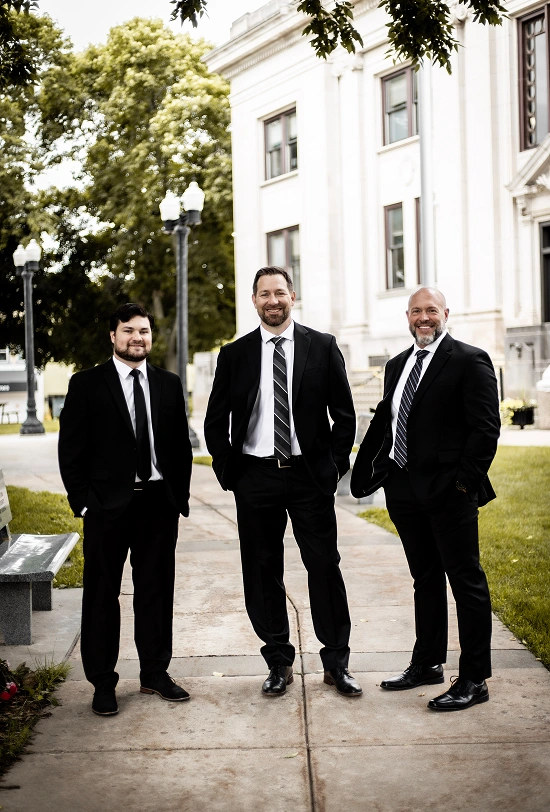
The attorneys at Pemberton Personal Injury bring extensive experience handling complex catastrophic injury cases throughout Wisconsin, with a track record of securing substantial settlements and verdicts for clients facing life-altering injuries. We understand that no amount of money can undo the harm caused by a spinal cord injury, but proper compensation enables access to quality medical care, adaptive technology, and support services that maximize independence and quality of life. Our commitment to client advocacy means we prepare every case for trial while pursuing fair settlement negotiations.
If you or a loved one has sustained a spinal cord injury in Fitchburg or surrounding communities, time is critical for preserving evidence and understanding your legal options. We offer free consultations to evaluate your case and explain your options without any obligation or upfront costs. Our contingency fee arrangement means you pay nothing unless we recover compensation on your behalf. Contact our office today to schedule your free case evaluation and take the first step toward securing the resources needed for your recovery and future.