
Client sustained life-threatening injuries after being hit by a driver who passed away at the scene. We obtained close to the policy limits with an additional claimant pre-suit and negotiated medical liens down over $250,000.

"*" indicates required fields
Car accidents in Fitchburg can happen anywhere, from busy intersections along Fish Hatchery Road to the residential streets near Capital Springs State Recreation Area. When a collision leaves you injured, you deserve representation that understands both the law and your community.
The Wisconsin car accident lawyers at Pemberton Personal Injury have been fighting for injury victims across the Madison area for years. With over six decades of combined trial experience and recognition, including “Best Lawyers in America” and SuperLawyers honors, our attorneys build strong cases that hold negligent drivers accountable. As your Fitchburg personal injury firm, we serve area residents from our Madison office and handle every aspect of your claim on a contingency basis, which means you pay nothing unless we recover compensation for you.
Determining liability in a Fitchburg car accident involves examining who failed to exercise reasonable care and caused the collision. Multiple parties, including the following, may share responsibility depending on the circumstances:
The most common liable party is the driver who caused the accident through negligent behavior. This includes drivers who run red lights, speed through school zones, text while driving, drive under the influence, or fail to yield the right-of-way. Drunk driving accidents often involve particularly clear liability because operating a vehicle while intoxicated violates Wisconsin law and demonstrates a reckless disregard for others’ safety.
In some cases, the vehicle owner may be liable even if they weren’t driving at the time of the crash. Wisconsin law can hold vehicle owners responsible when they lend their car to someone they know is unlicensed, has a history of reckless driving, or is impaired.
When a driver causes an accident while performing job duties, their employer may be liable under the legal principle of respondeat superior. This applies to truck accidents involving commercial vehicles, delivery drivers, and other employees driving for work purposes. When that driver is a rideshare operator, our Fitchburg rideshare accident lawyers can help navigate the layered insurance policies involved. Employers may also face liability for negligent hiring if they failed to screen drivers or ignored a pattern of unsafe driving.
Dangerous road conditions can contribute to accidents, and in these situations, the government entity responsible for maintaining the road may share liability. Premises liability principles can apply when poorly maintained roads, missing signs, or defective traffic signals create hazards that lead to crashes.
After a car accident, you may be entitled to recover several types of damages that address both your financial losses and how the injuries have affected your quality of life.
These damages cover your measurable financial losses. Medical expenses include emergency room treatment, hospital stays, surgery, medications, physical therapy, and any future medical care you’ll need because of your injuries. Lost wages compensate you for time missed from work during recovery, and if your injuries prevent you from returning to your previous occupation, you may also recover lost earning capacity. Property damage covers the cost to repair or replace your vehicle and any personal belongings damaged in the crash.
These damages address the ways your injuries have diminished your life beyond financial costs. Pain and suffering compensation accounts for physical discomfort, emotional distress, and mental anguish caused by the accident. Loss of enjoyment of life damages recognizes that injuries may prevent you from participating in activities you once valued, whether playing with your children, pursuing hobbies, or simply living without constant pain.
Wisconsin follows a modified comparative negligence rule under Wisconsin Statutes § 895.045, which directly affects how much compensation you can recover in Wisconsin after a car accident.
This law allows you to receive damages even if you share some responsibility for the crash, as long as your percentage of fault does not exceed 50 percent. If a jury determines your total damages equal $100,000 but finds you 20 percent at fault for the accident, your recovery would be reduced to $80,000. However, if you are found 51 percent or more at fault, you cannot recover any compensation at all.
Insurance companies know this rule well and often try to inflate your share of blame to reduce their payout or eliminate it entirely. They may point to any small action you took before the crash, such as adjusting your radio to changing lanes, and argue it contributed to the collision. Having legal representation helps counter these tactics with evidence showing the other driver’s negligence caused your injuries.
The actions you take immediately after a collision can significantly impact your ability to recover compensation.
Check yourself and others for injuries and call 911 if anyone needs medical attention. Wisconsin law requires you to report any accident causing death, injury, or property damage of $1,000 or more to the police, who create a detailed report when they arrive. Document everything at the scene if you’re able to do so safely, including photos of all vehicles, the surrounding area, traffic signs, and visible injuries.
Visit a doctor even if you don’t feel seriously hurt. Some injuries like whiplash, concussions, and internal bleeding don’t show immediate symptoms but can cause serious problems if left untreated. Medical records from your initial visit also create important documentation linking your injuries to the accident.
Speak with our attorneys as soon as possible after your accident. Early legal guidance helps protect your rights, preserve evidence, and prevent you from making statements to insurance companies that could harm your case. We can handle communications with insurers while you focus on recovery.
Typically, a lawsuit must be filed within three years from the date of the accident, and this time period generally applies to car accident claims under Wisconsin law. However, there are important exceptions and nuances that can affect the applicable deadline.
Founder William Pemberton graduated from Marquette University Law School in 2003 and has spent years fighting for injury victims. His background at an insurance defense firm gives him unique insight into how insurance companies evaluate and defend claims, enabling him to anticipate their strategies and build stronger cases for clients.
Our team prepares every case as if it’s headed to trial, which signals to insurance companies that we’re serious about obtaining maximum compensation. Contact us today for a free case evaluation to learn how we can help you pursue the compensation you deserve.
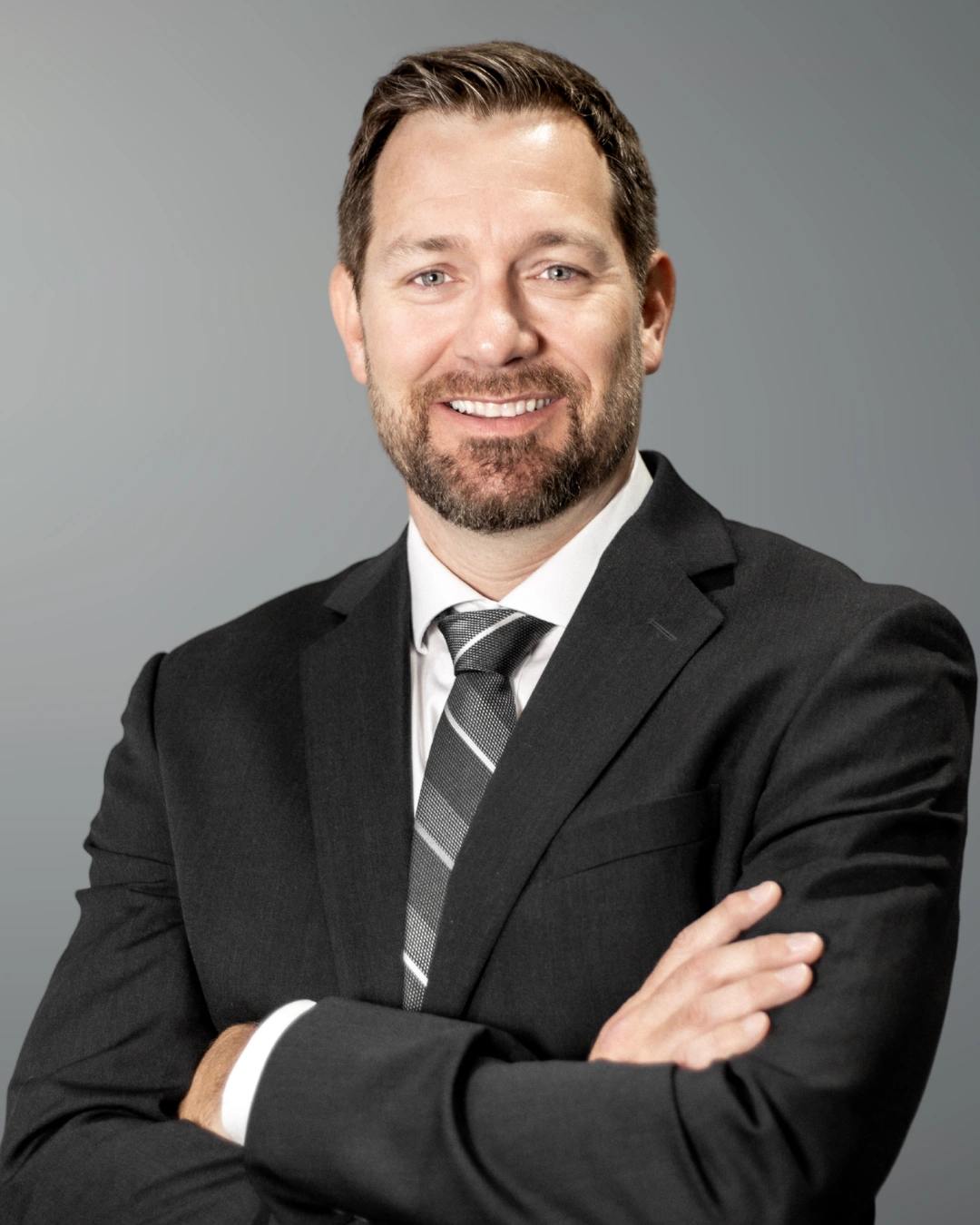
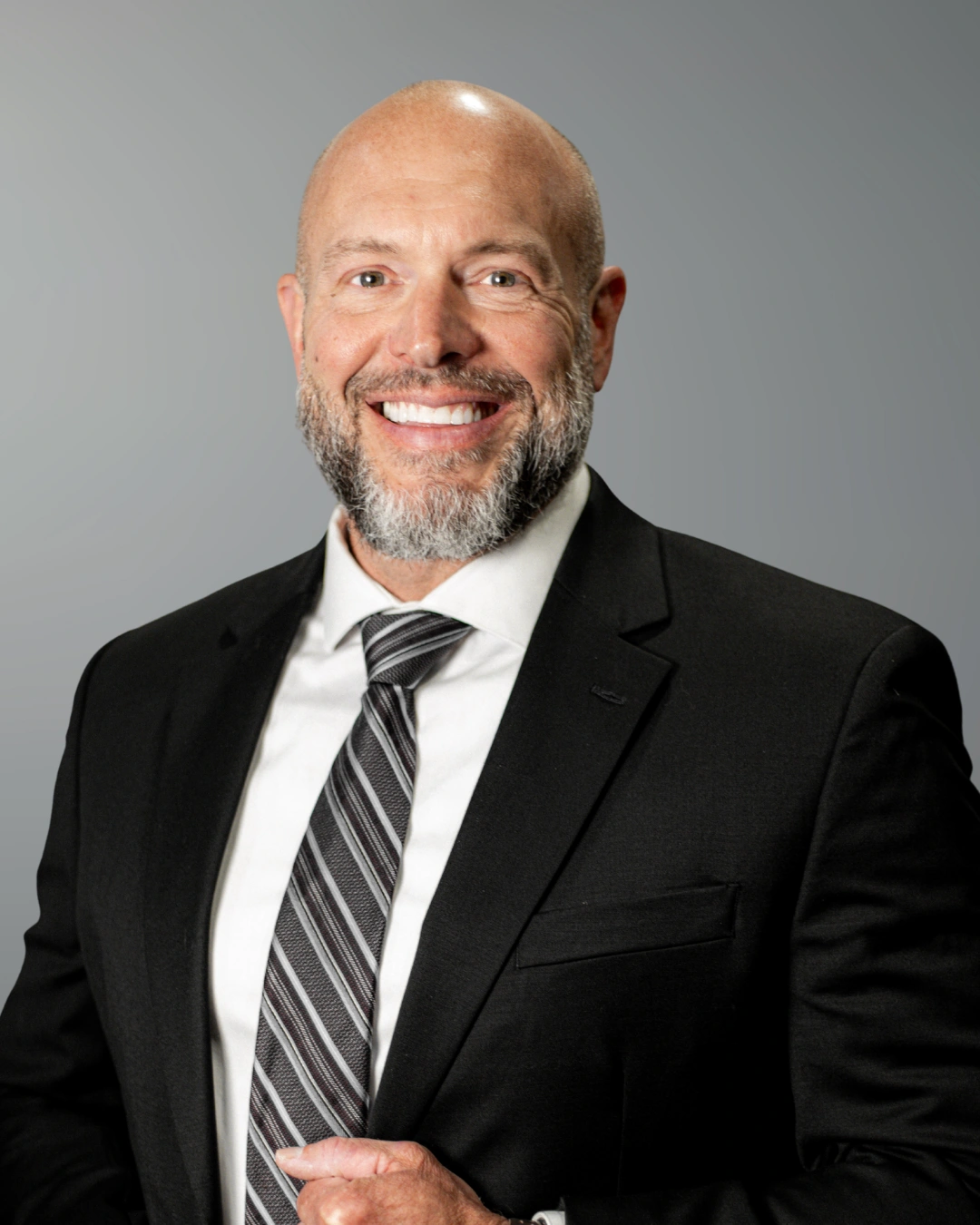





Insurance companies profit when you lose. Every claim they deny, every settlement they lowball, every injured person they convince to accept less—that’s money in their pocket. And they’re very good at what they do.
At Pemberton Personal Injury Law Firm, we’ve made it our mission to take on the insurance companies that put profits over people. We know every underhanded tactic they’ll use to cheat you out of fair compensation, and we’re prepared to fight fire with fire. When insurance adjusters see us coming, they know they’re in for a real battle. You didn’t ask to be injured.
You didn’t ask to fight a billion-dollar corporation. But now that you’re here, you deserve lawyers who will go to war for you. We don’t settle for less than full compensation, we don’t back down from tough fights, and we don’t let insurance companies bully our clients. PERIOD.
















Life following a serious injury can bring intense emotions and pain. Accident victims often hope to get their lives back on track, only to be held back by the demands involved with personal injury claims. This is especially the case for individuals who become hospitalized. Wherever you are in the process, we’d be glad to help.
Our injury lawyers in Wisconsin step up to represent you. At Pemberton, we provide this advocacy at every step in the injury claims process so you can be on your way to feeling like yourself again.
Contact our Wisconsin personal injury attorneys at (608) 448-6242 to speak with one of our experienced attorneys. We will create a plan together to help you protect your rights and get you back to your life.
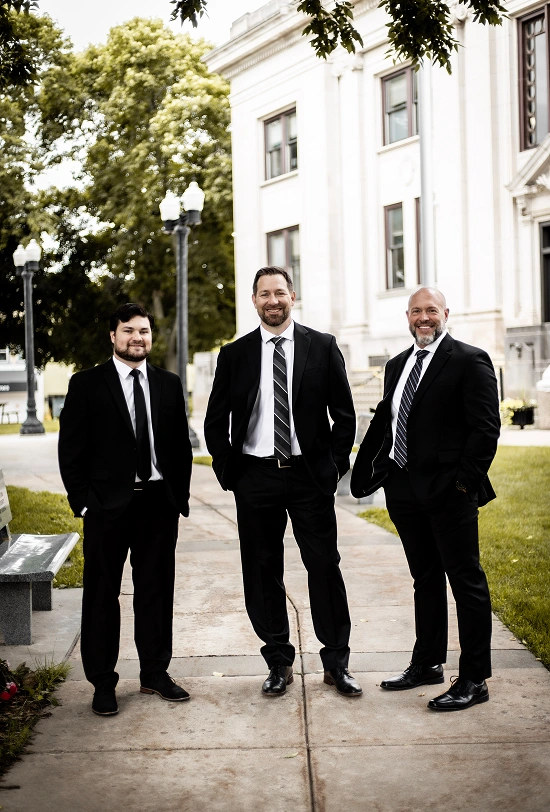

$40M+ Won For Our Clients
Client sustained life-threatening injuries after being hit by a driver who passed away at the scene. We obtained close to the policy limits with an additional claimant pre-suit and negotiated medical liens down over $250,000.
The client, a minor passenger, suffered serious injuries in an auto accident, including fractured cervical and lumbar spine, intracranial hemorrhage, concussion, broken nose, head lacerations, vision issues, hip injury, and scarring. We coordinated with the proper guardian to represent the minor and efficiently secured the $260,000 settlement from both third-party and UIM coverage. We also ensured medical bills were properly handled, medical liens were reduced by $15,447.53, and unnecessary claims were dismissed.
The client was injured in an auto accident, sustaining a jammed right index finger, neck injuries, a concussion, headaches, and vision problems. We resolved the case for $255,000 and secured a $5,000 medical lien reduction to maximize the client’s recovery.
“Focus on healing and we will take care of everything on the legal side”

“If you ever need an attorney, he would be the first one I recommend”
“Focus on healing and we will take care of everything on the legal side”
“If you ever need an attorney, he would be the first one I recommend”
We use cookies to improve your experience on our site. By using our site, you consent to cookies.
Manage your cookie preferences below:
Essential cookies enable basic functions and are necessary for the proper function of the website.
CloudFlare provides web performance and security solutions, enhancing site speed and protecting against threats.
Service URL: developers.cloudflare.com (opens in a new window)
These cookies are needed for adding comments on this website.
Google reCAPTCHA helps protect websites from spam and abuse by verifying user interactions through challenges.
Google Tag Manager simplifies the management of marketing tags on your website without code changes.
Statistics cookies collect information anonymously. This information helps us understand how visitors use our website.
Google Analytics is a powerful tool that tracks and analyzes website traffic for informed marketing decisions.
Service URL: policies.google.com (opens in a new window)
Marketing cookies are used to follow visitors to websites. The intention is to show ads that are relevant and engaging to the individual user.
Facebook Pixel is a web analytics service that tracks and reports website traffic.
Service URL: www.facebook.com (opens in a new window)
Google Maps is a web mapping service providing satellite imagery, real-time navigation, and location-based information.
Service URL: policies.google.com (opens in a new window)